

Featurism, not Colourism
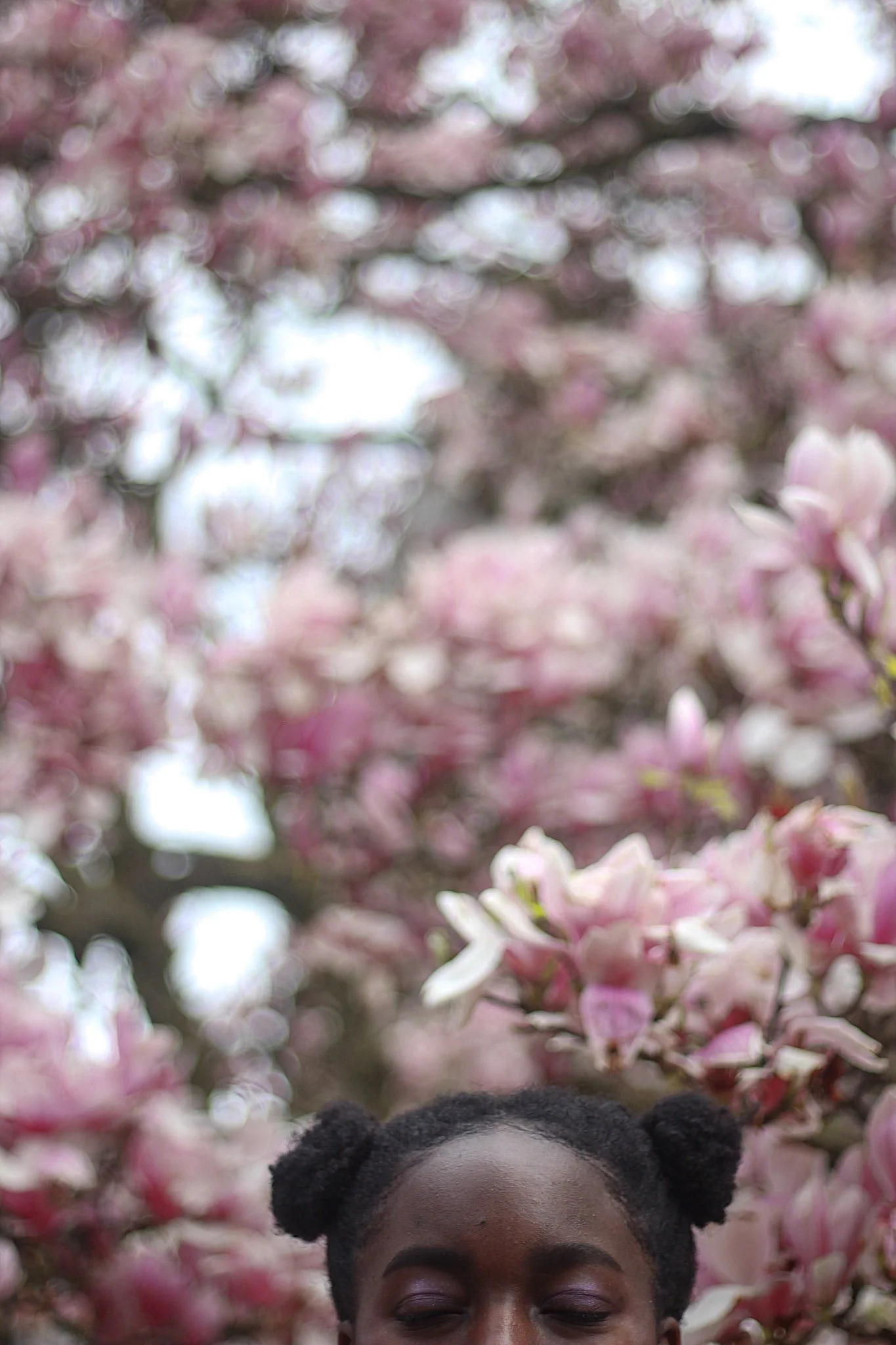
Photo by Annetta Jackson, Antigua.
The Hostility Between Afro and Indo-Caribbean Women May Be About Featurism, not Colourism
Rihanna, Cardi B, Tia and Tamera Mowry; if it’s not a straight nose, it’s loose curls or green/hazel eyes. Many women of Caribbean descent have become beauty icons and admired celebrities, but as their star shines brighter, the question of why may be stemmed in the beauty standards that are not only prominent in the Western world, but also in the West Indies. Where many Black people see colourism as a cause for divide, in the shadows lies the unseen problem of featurism that rarely comes up in conversations focused on systematic racism and social classism.
The Caribbean has a long history of multiculturalism due to migration, indenture, and the transatlantic slave trade. This history includes the division of Afro-Caribbean and Indo-Caribbean people, predominantly in Guyana, Jamaica, Grenada, and Trinidad & Tobago. The history of colourism in the United States, with fair skin being prized among enslaved people, has echoes in the Caribbean region, including among Indo- and Afro-Caribbean people.
The Caribbean faces hostile racial divisions, including intra-group divisions, based on physical characteristics. There is an obvious division among the Indo- and Afro-Caribbean people, and this division can be seen significantly in the beauty standards displayed in both cultures. Although many Caribbean nations today have an equal percentage of Indo and Afro-Caribbean people, a value system of beauty standards has been created, resulting in inter-racial hierarchies. These standards are influenced by colonial ideals that are internalized. Because of this, the value rankings that have built the toxic sociological structure for many islands also include physical preferences or ideals of beauty prevalent in the culture.
Despite having beautiful bronze skin, Indians are viewed as possessing features valued among white European people, including narrower noses and straighter hair. Because of this, that slight difference has worked to their advantage, appealing to the world as a more palatable “dark skin other.” This issue has brought riffs among women creating animosity and subconsciously encouraged by men in the dating scene. The public praise for women who look “exotic” or “mixed” and the ridicule women with more evident African features have faced in the Black community have caused insecurities in Black women. The narrative that Black women are unattractive is supported by antiblack public opinion and has also been legitimized by biased researchers and social studies. The rejection of Black women and the perceived superiority of Indian women will perpetuate the silent disdain among them. The value of women, measured through desirability politics, will continue to bring negative discourses, preventing the possibility of harmony in womanhood for the Caribbean community.
There has to be more support and encouragement among women in the Caribbean as we face a rapid state of social injustices against us. From domestic violence, sexual violence, police brutality, and body shaming, this is not the time to be divided when we desperately need a united front for the rights and protection of all of us.
There is a pride in Blackness as of late, expressed through protests and political satire. Simultaneously, there is still a very public worshiping of Black features on non-Black women and non-Black features on Black women. This oblivious display seen by those outside of the community will continue the unfortunate treatment of Black women and will entrench Black women’s resentment towards others. This is a cycle that can end and bring strength overall in the community.