Our Events
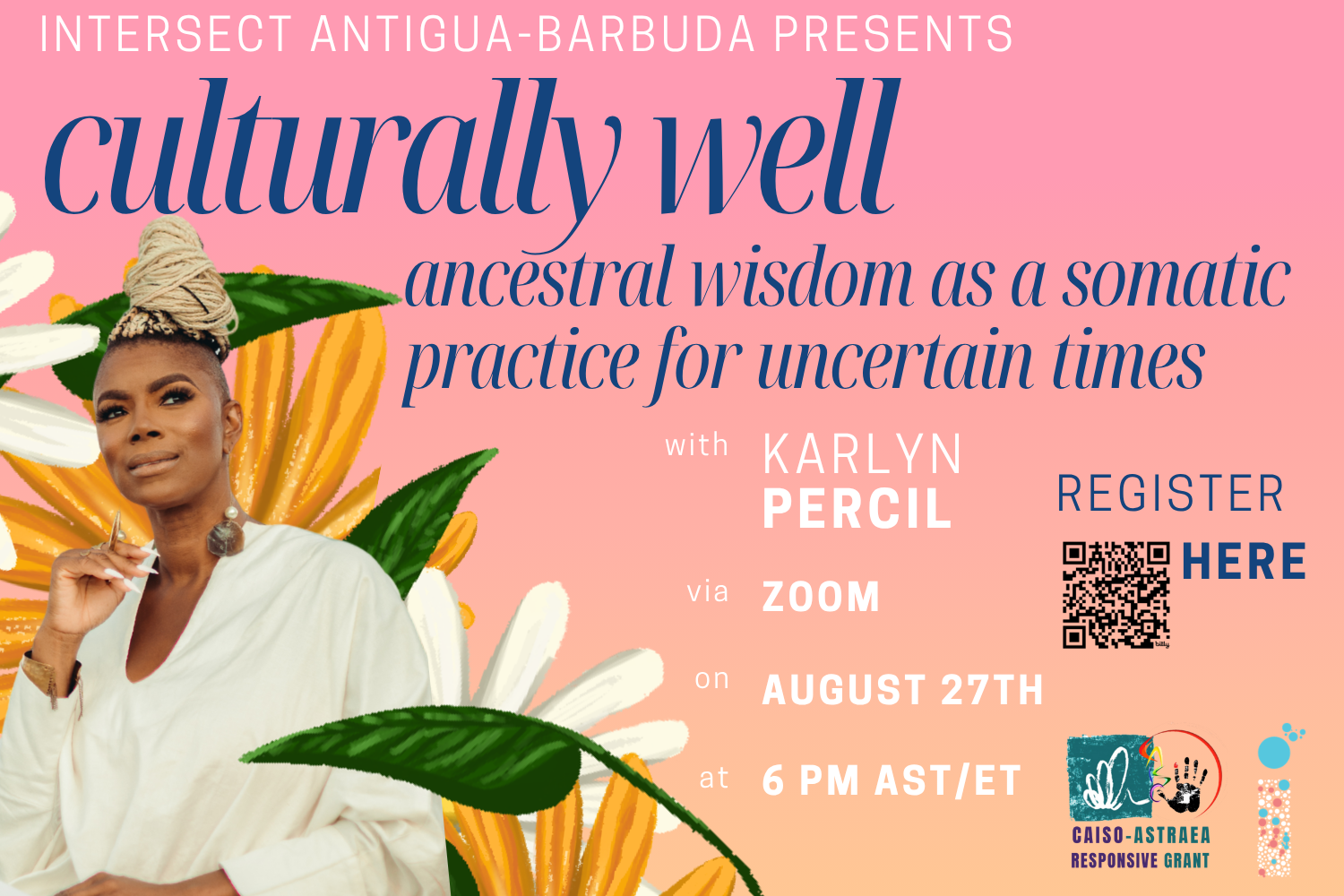
Culturally Well: Ancestral Wisdom as a Somatic Practice with Karlyn Percil
Whose definition of wellness have you been carrying/prioritizing, and what wisdom did you leave behind to hold it? What is your body already knowing that your mind hasn't given permission to trust yet? How do we build culturally rooted, somatic practices of well-being that can hold us through crisis without asking us to abandon ourselves or each other to survive?
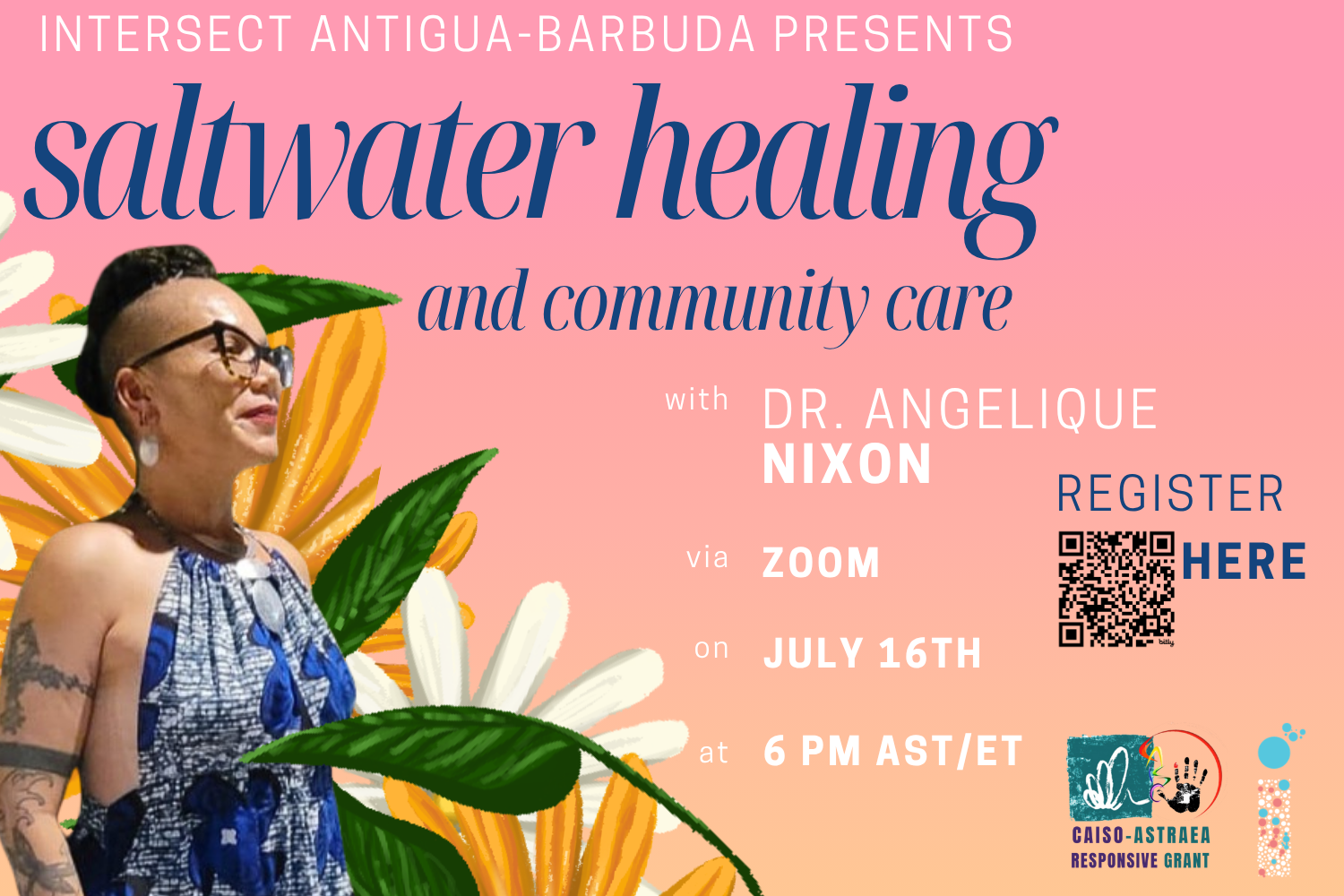
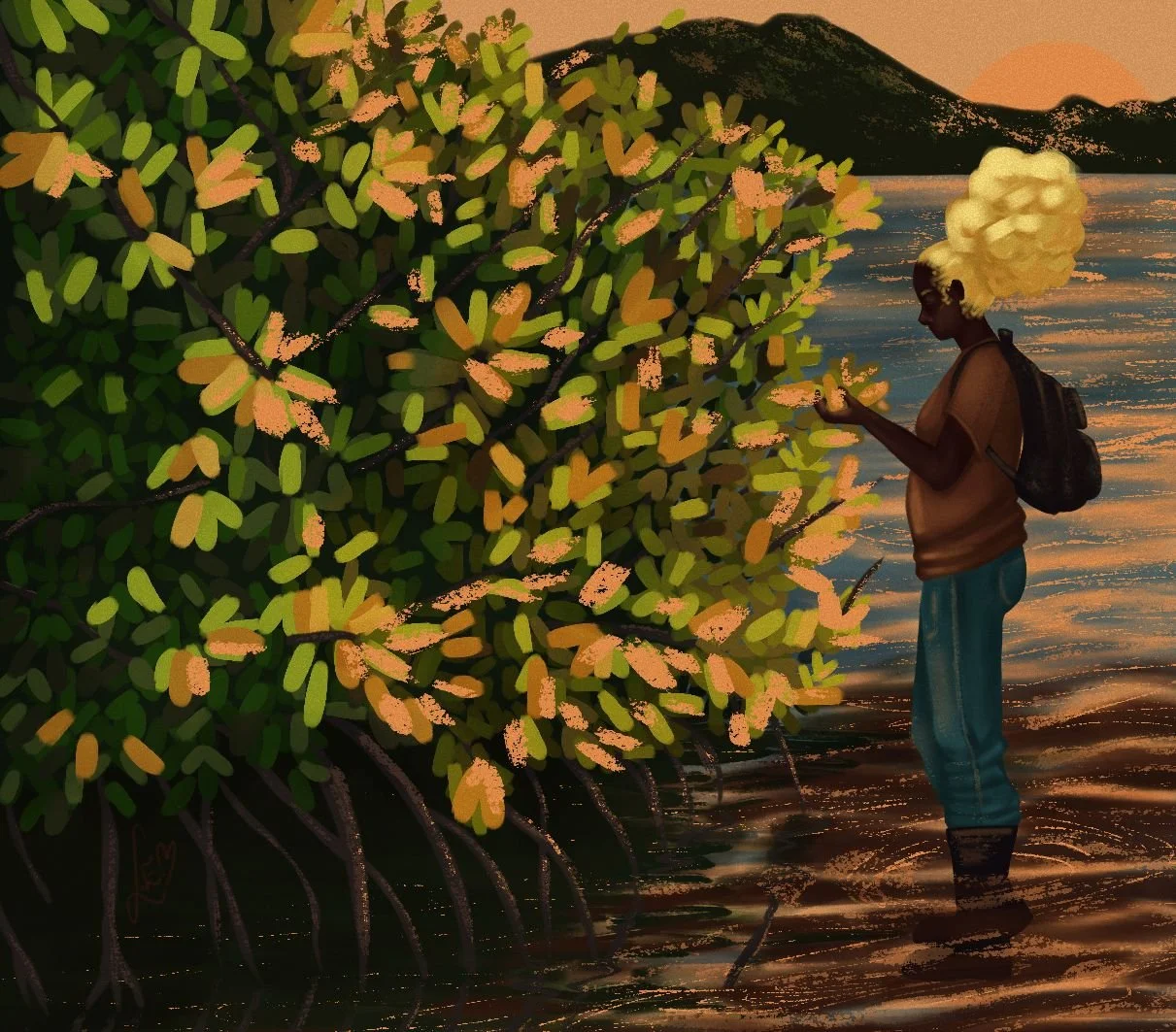
Saltwater Healing and Community Care with Dr. Angelique Nixon
How has coloniality affected our sense of community and our identities (gender, racial, sexual, cultural, etc.)? How has it affected our understanding of nature? What is your relationship to community and nature? How do you understand yourself as part of community and ecological systems (land and seascapes)? What are your politics of care – for self, community, and the environment?
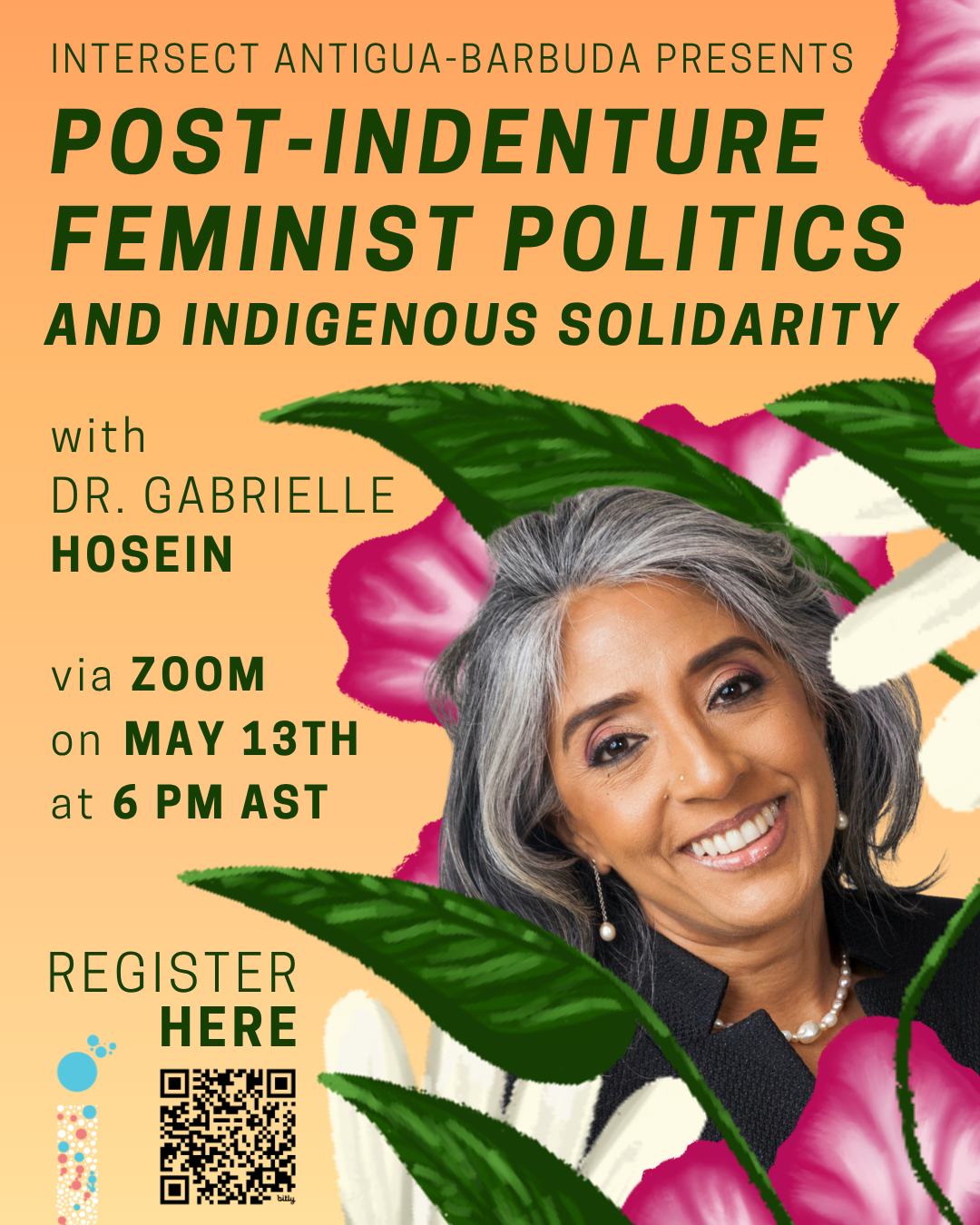
Post-Indenture Feminist Politics: and Indigenous Solidarity with Dr. Gabrielle Hosein
Has your feminist praxis taken into account the region's ethnic diversity, and particularly the presence of Indo-Caribbean feminist histories? Has your feminist praxis taken into account what Indigenous solidarity requires of Caribbean feminisms? Why should and how can Caribbean feminist organising mobilise a post-indenture and decolonial politics?
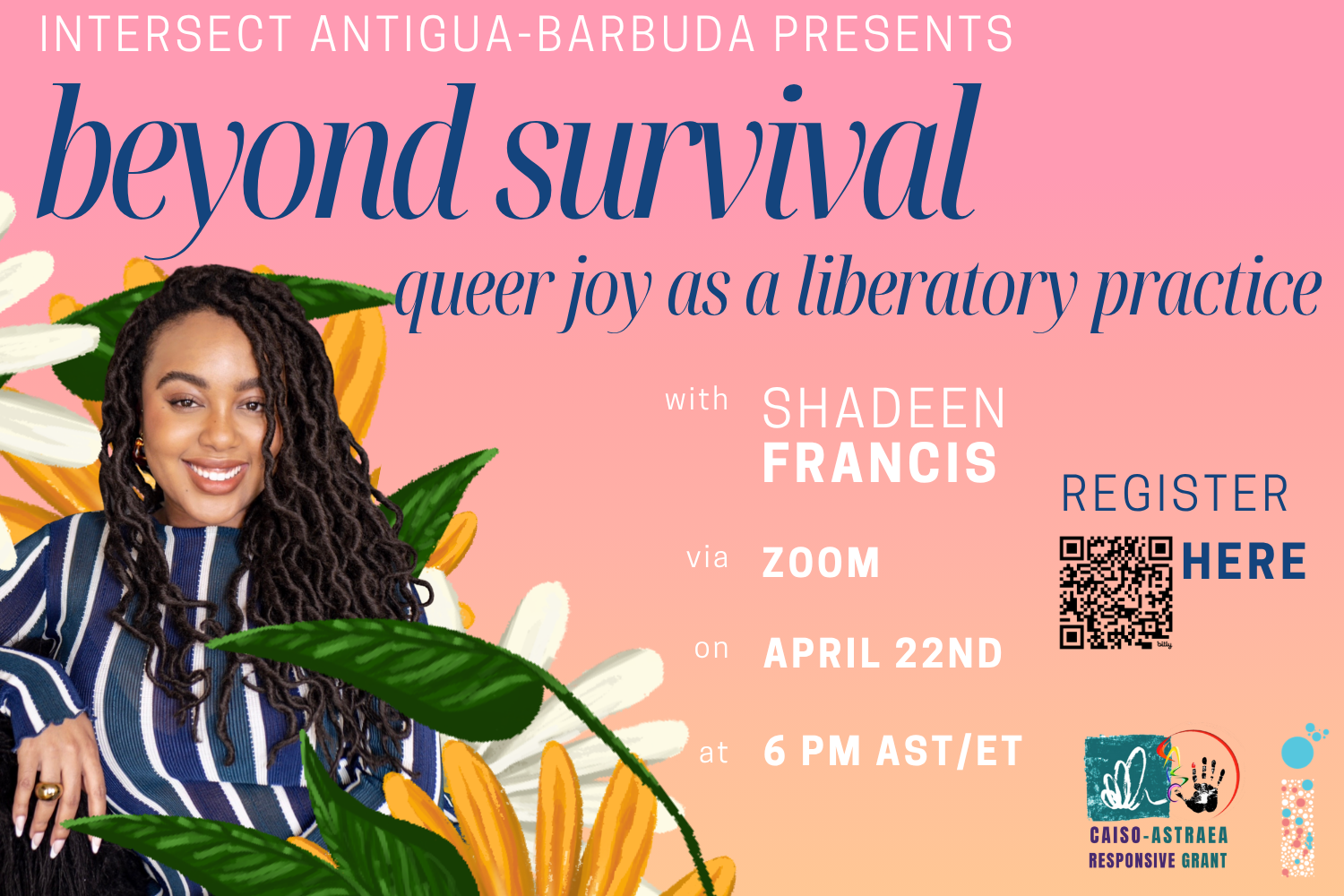
Beyond Survival: Queer Joy as a Liberatory Practice with Shadeen Francis
Who taught you about joy, and what did they teach you? What is one song, memory, or image that brings you joy? What do we owe each other when it comes to joy?
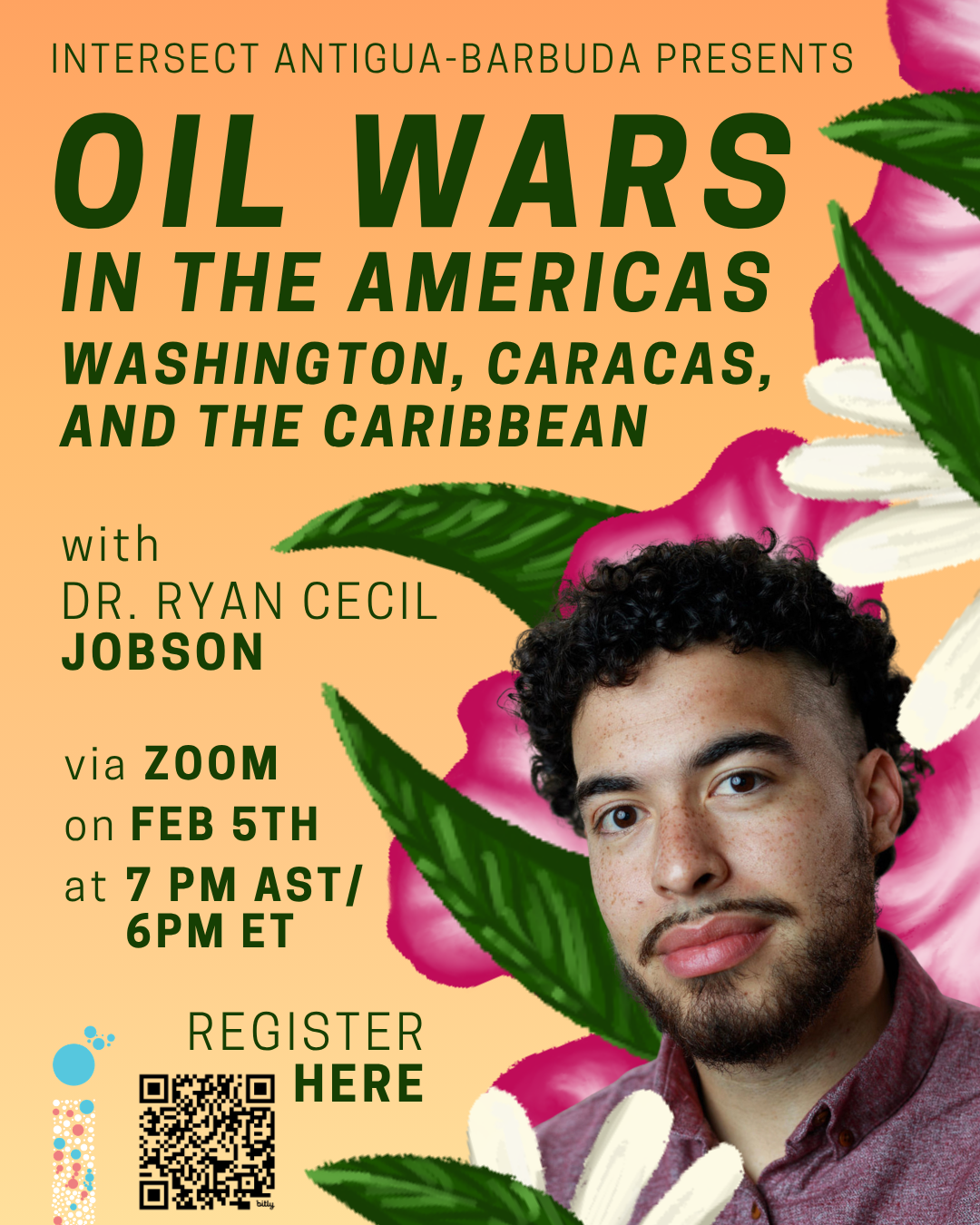
Oil Wars in the Americas: Washington, Caracas, and the Caribbean with Dr. Ryan Cecil Jobson
What is a petro-state? How are petro-states (especially in the Greater Caribbean) integrated into the political economy of oil? What is socialism? How can we build socialism in the Caribbean under conditions of imperialism?
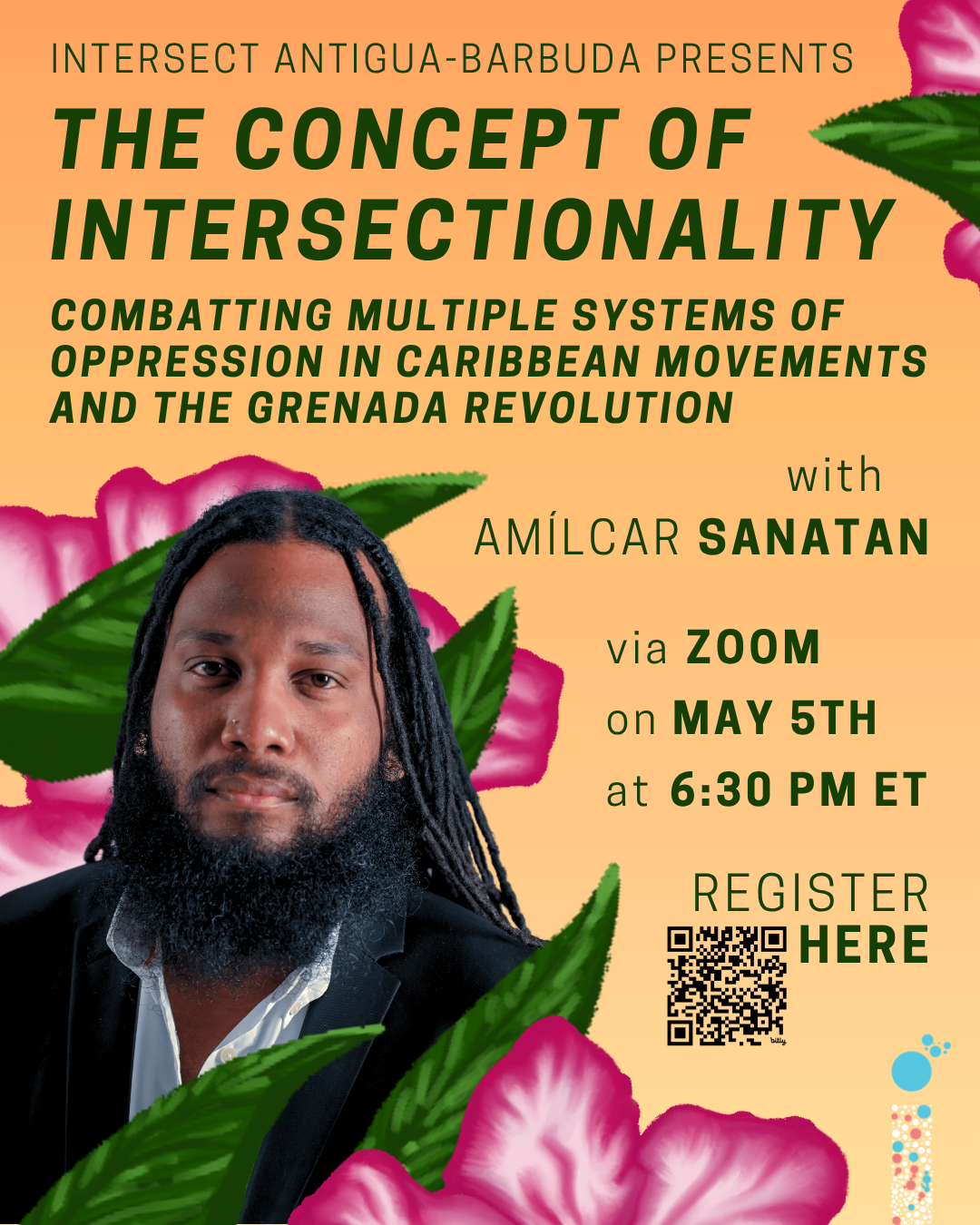
The Concept of Intersectionality: Combatting Multiple Systems of Oppression in Caribbean Movements and the Grenada Revolution with Amílcar Sanatan
To what extent do you ground your political analysis and movement-building with lessons learnt in Caribbean social history? What is the significance of understanding intersecting systems of oppressions for gender justice?
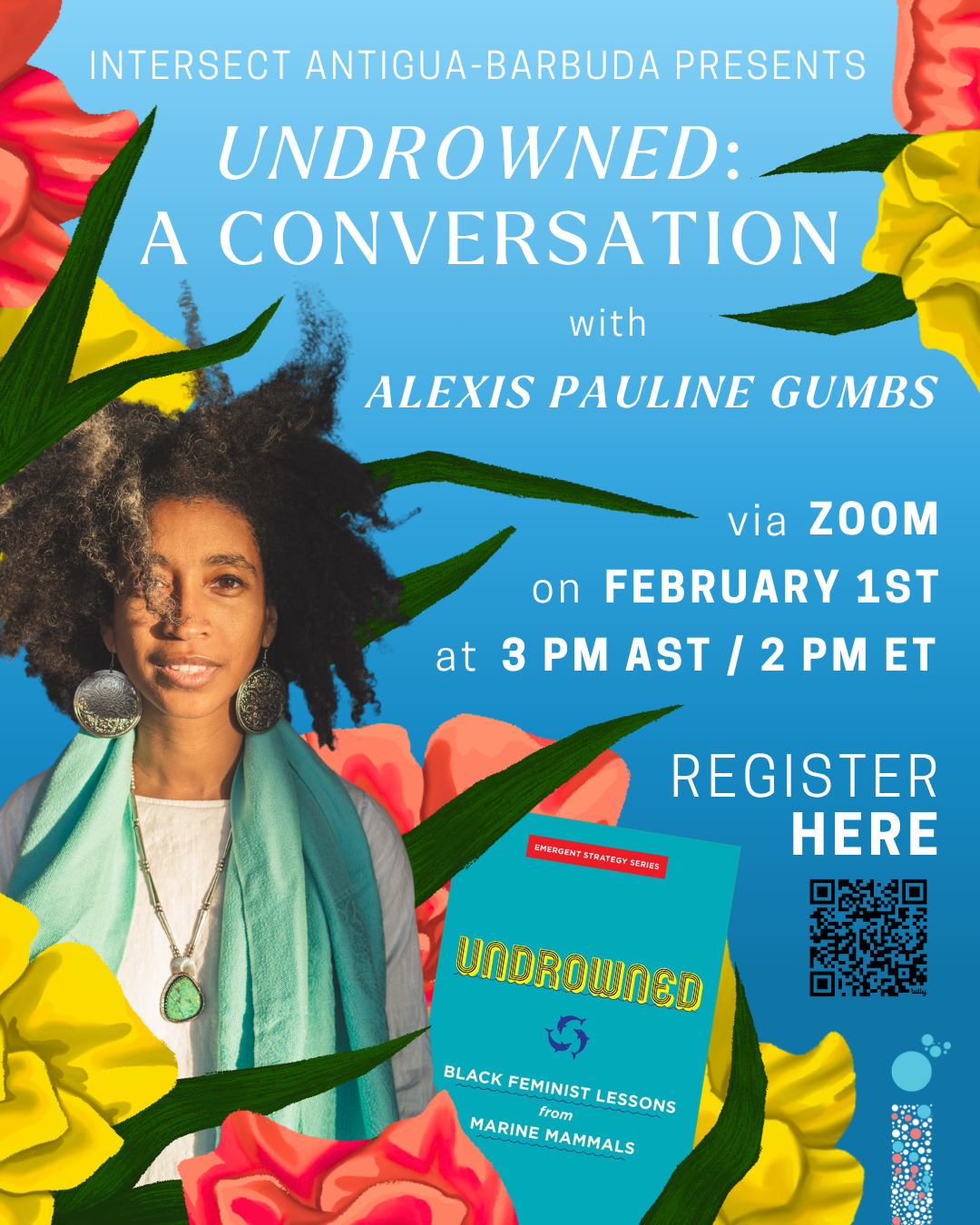
Undrowned: An Author Conversation with Alexis Pauline Gumbs
“Lucille Clifton says the ‘Atlantic is a sea of bones.’ What is the half-life of the transubstantiation of life into servitude? Does it ever dissolve? And the bones of those captives who freed themselves, or left their bodies and were subsequently thrown overboard became...what? Sediment. Filtered ultimately into the baleen of the Atlantic gray whale, right? So there is actually a digestive truth to the idea that the ancestors we lost in the transatlantic slave trade became whales.”
— Black Feminist Lessons from Marine Mammals
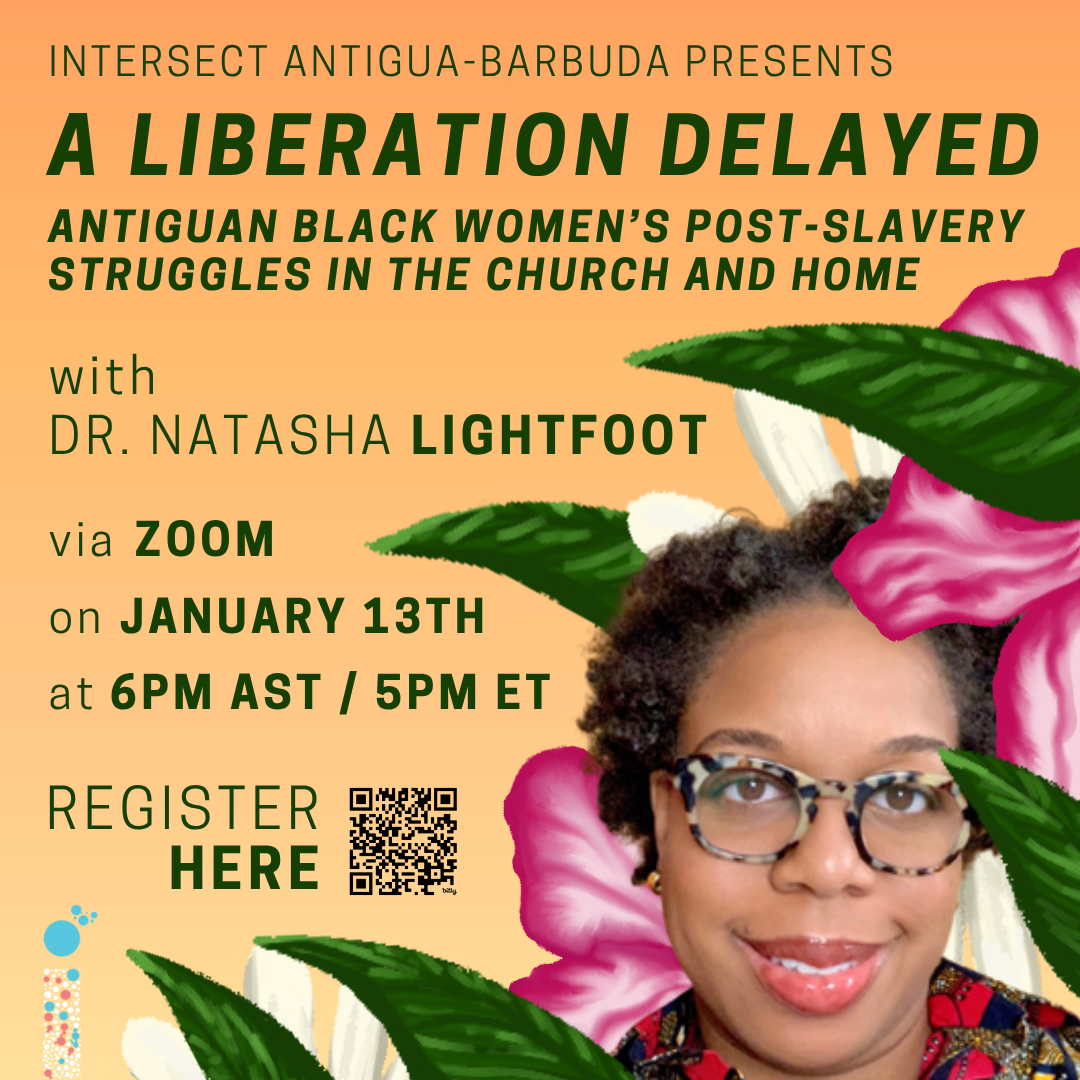
A Liberation Delayed: Antiguan Black Women’s Post-Slavery Struggles in the Church and Home with Dr. Natasha Lightfoot
How are the demands placed on women immediately after slavery within and beyond the home indicative of gendered constraints that endure across time and space? What were women’s strategies for survival in this particular moment, and did they meet their needs? What can we learn from histories of failure?
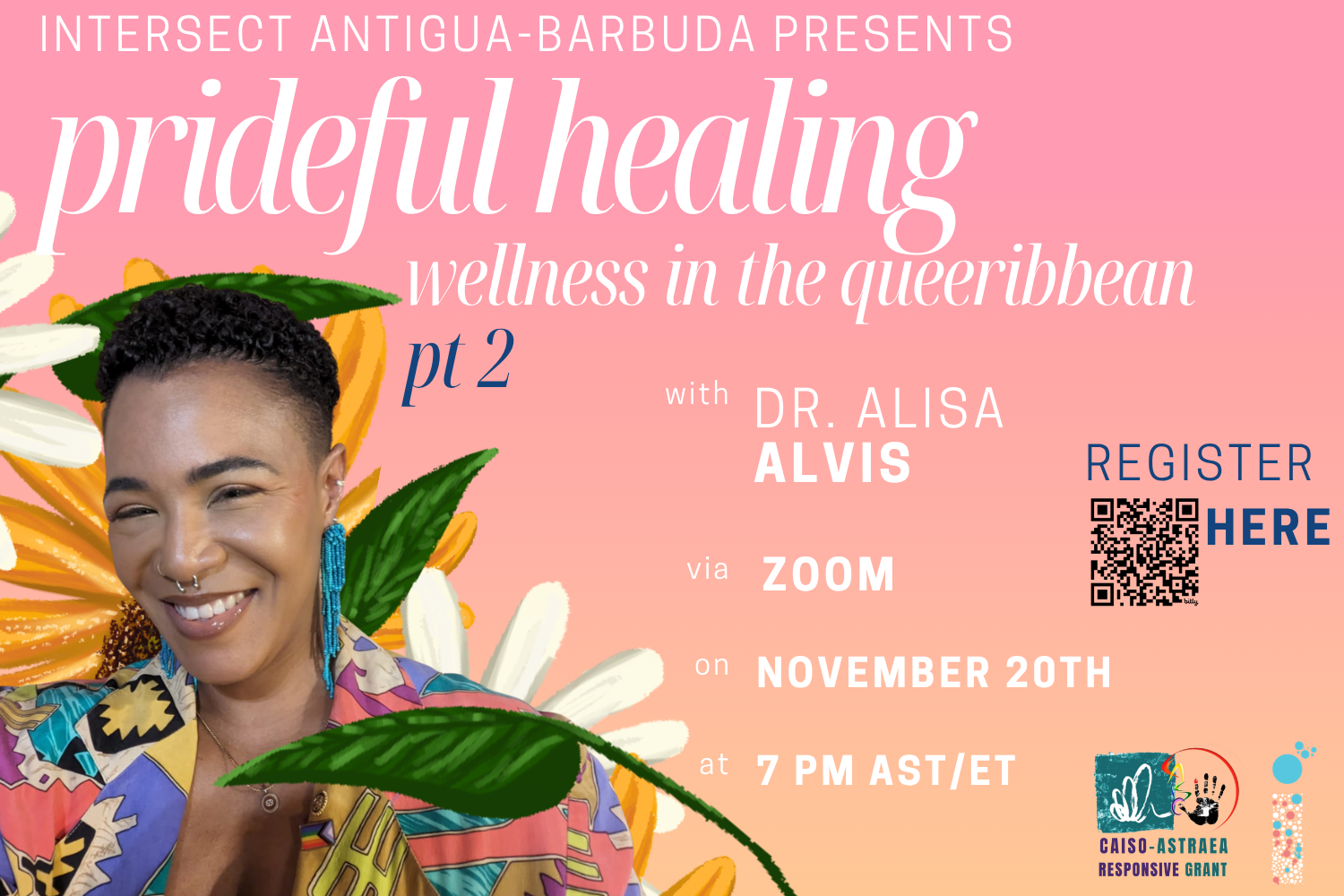
Prideful Healing: Wellness in the Queeribbean, Part 2
Queer Cartography: Mapping Our Healing Spaces.
Identify a location where you have felt most connected to your queerness and healing. Spaces can be physical or symbolic, external or internal. What elements made these spaces healing?
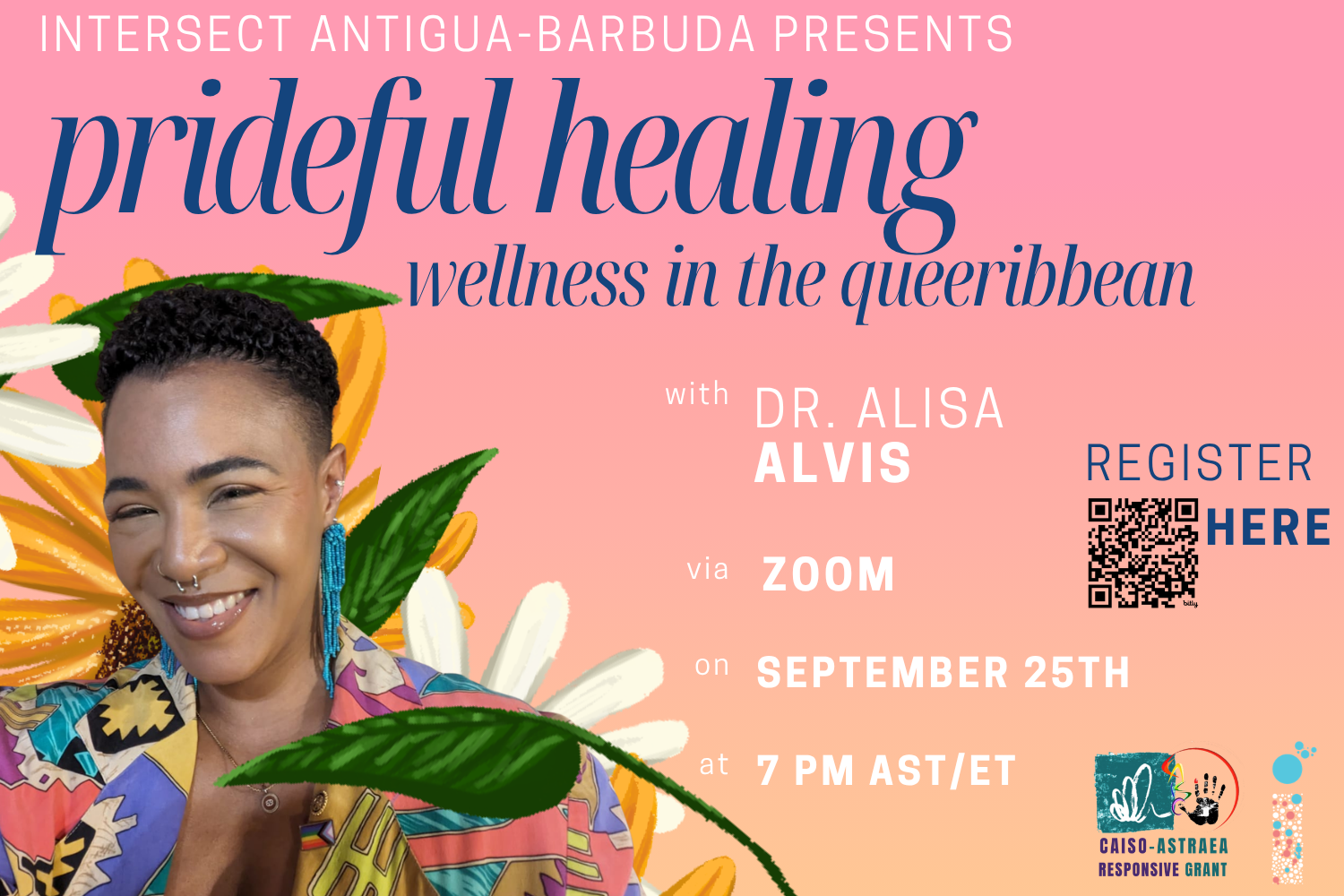
Prideful Healing: Wellness in the Queeribbean with Dr. Alisa Alvis
What does ‘Queeribbean’ identity mean to you in relation to wellness and healing? How does the legacy of colonialism affect your personal and community well-being as a queer Caribbean person?
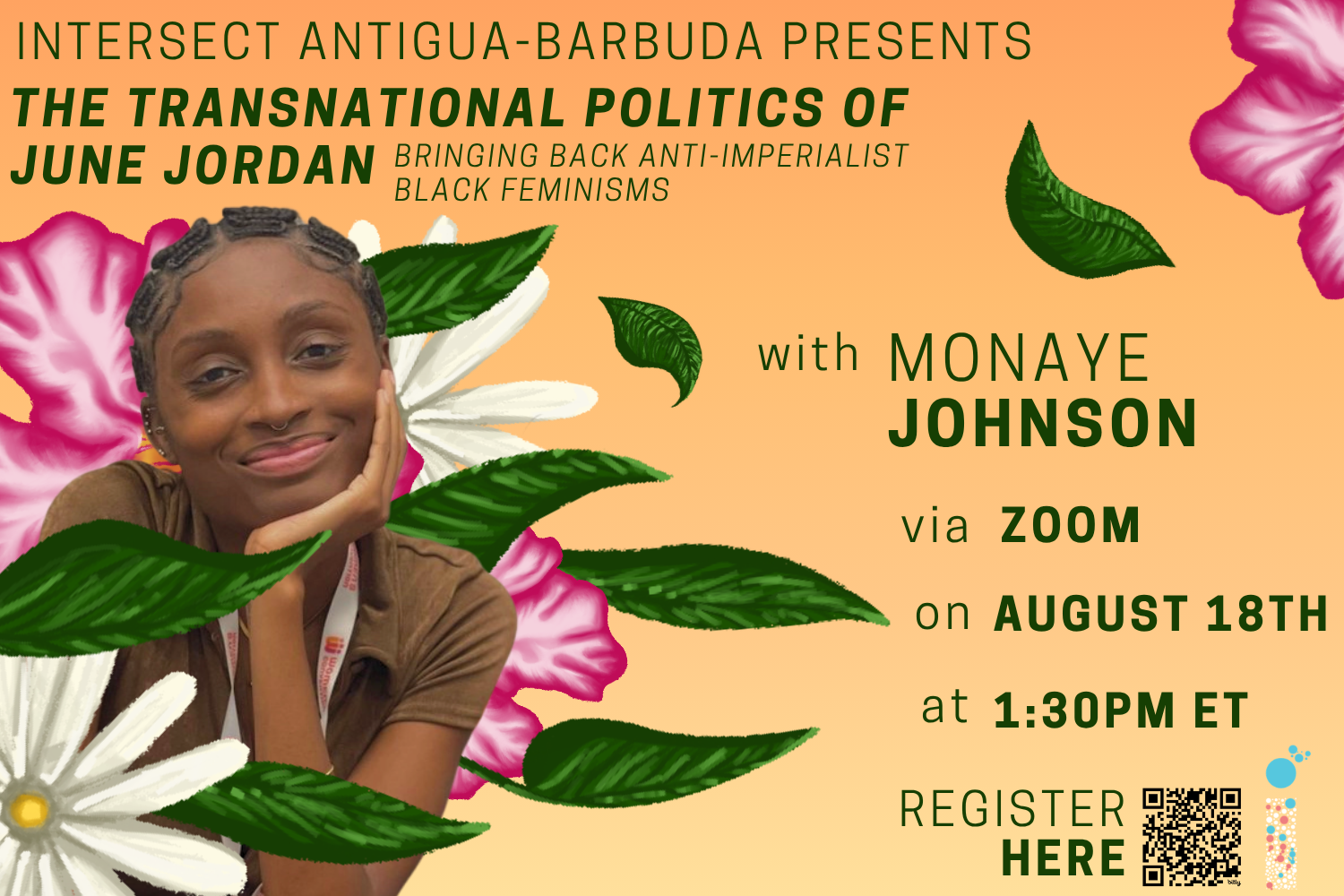
The Transnational Politics of June Jordan with Monaye Johnson
What happens when we uplift June Jordan with her transnational politics? What were June Jordan’s stances? Is Palestine still the moral litmus test of our movements?
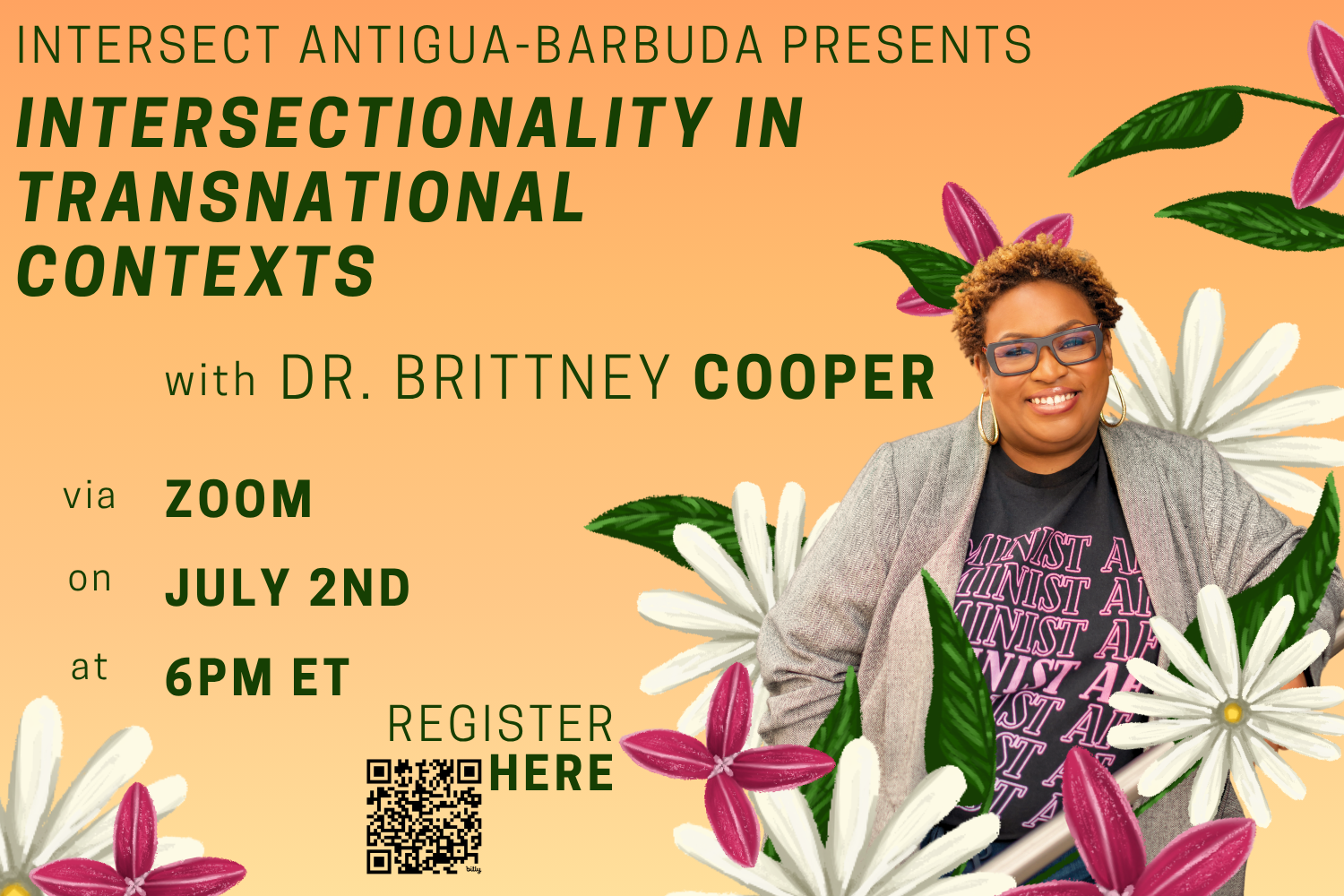
Intersectionality in Transnational Contexts with Dr. Brittney Cooper
Is intersectionality a useful analytic for building transnational Black feminist solidarity? What are some ways that American understandings of race, class, and gender work against the building of such coalitions?
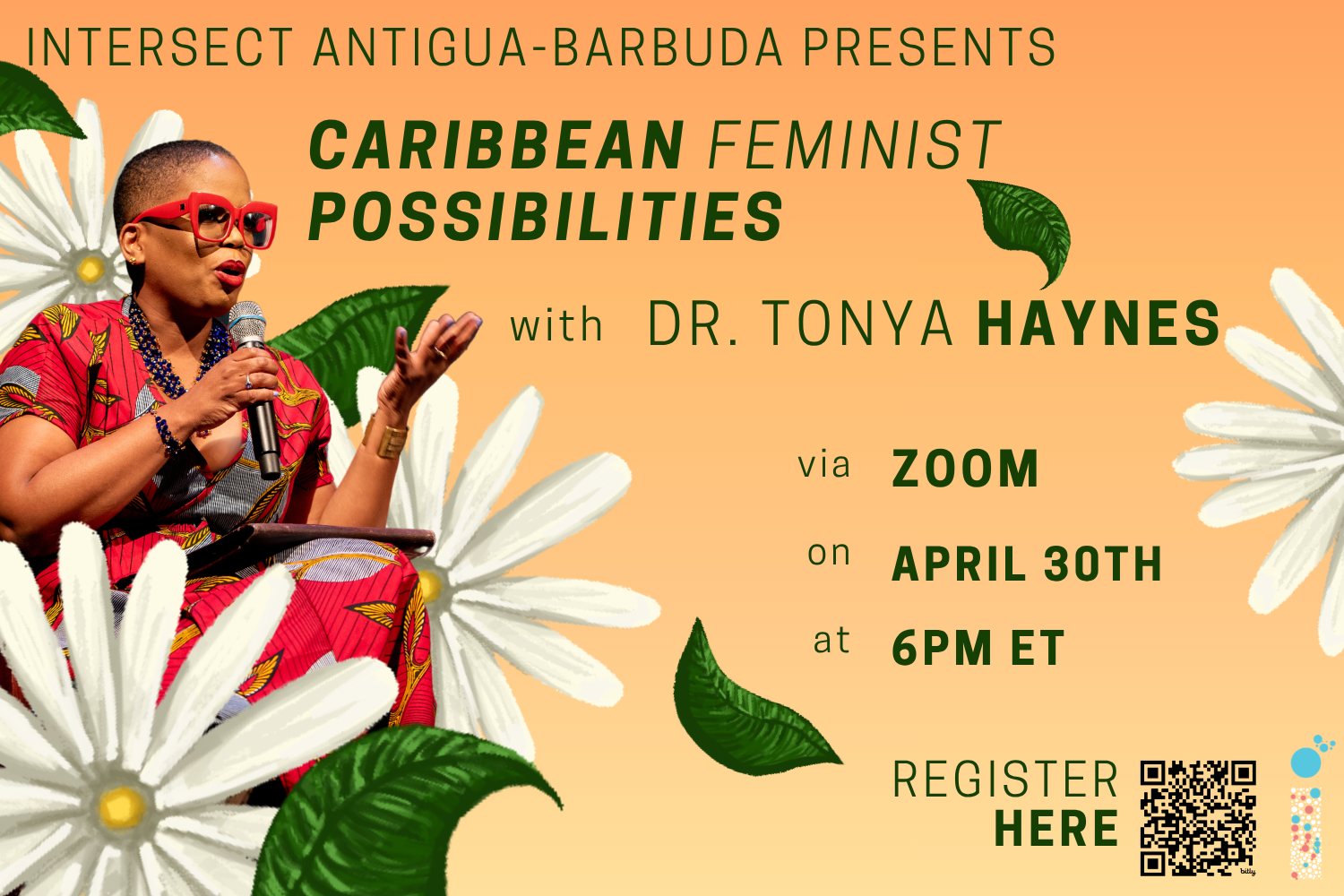
Caribbean Feminist Possibilities with Dr. Tonya Haynes
What are Caribbean feminisms? What are the radical possibilities of Caribbean feminisms? When and why have/do Caribbean feminists retreat from those radical possibilities?