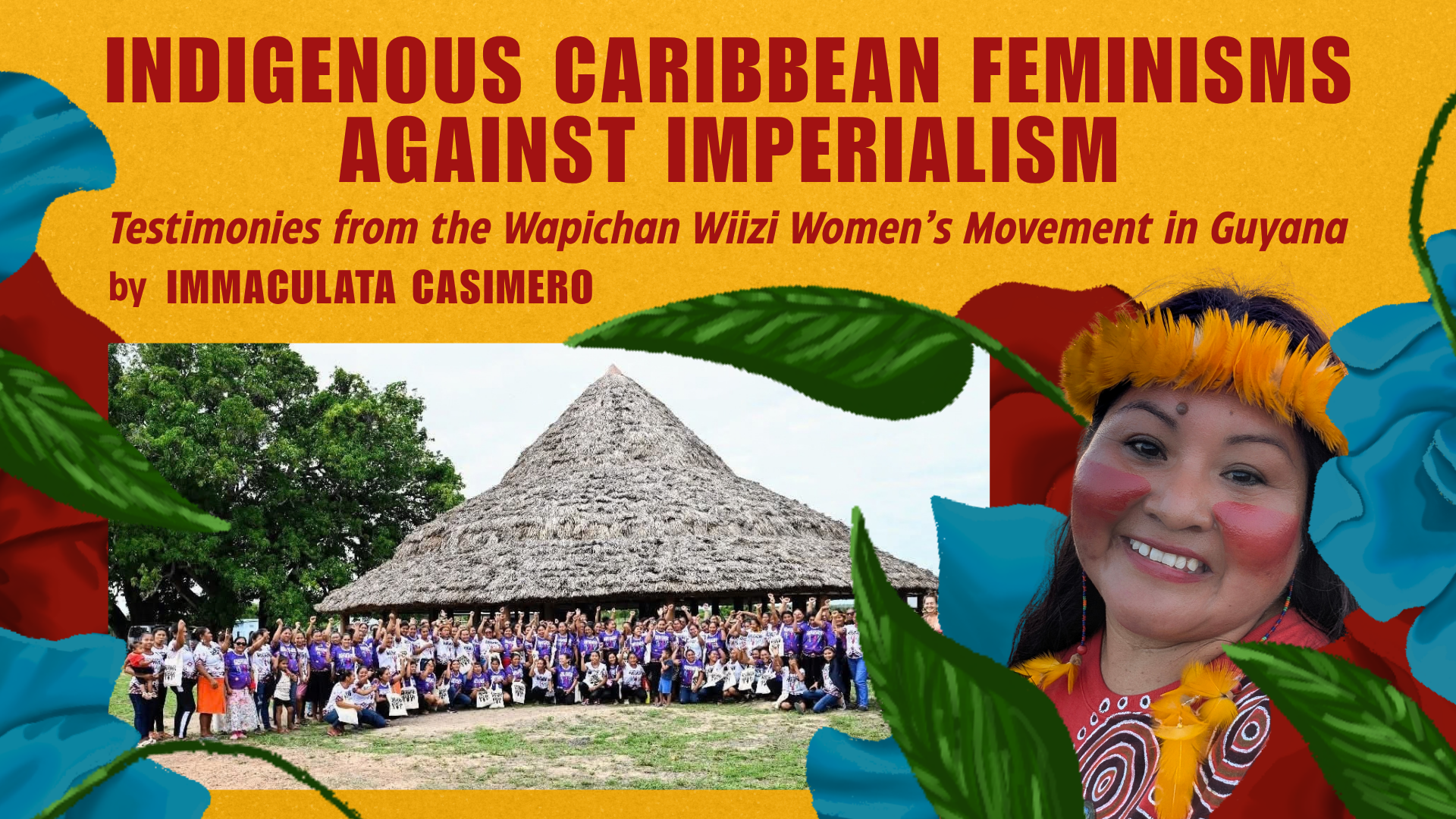
Indigenous Caribbean Feminisms Against Imperialism
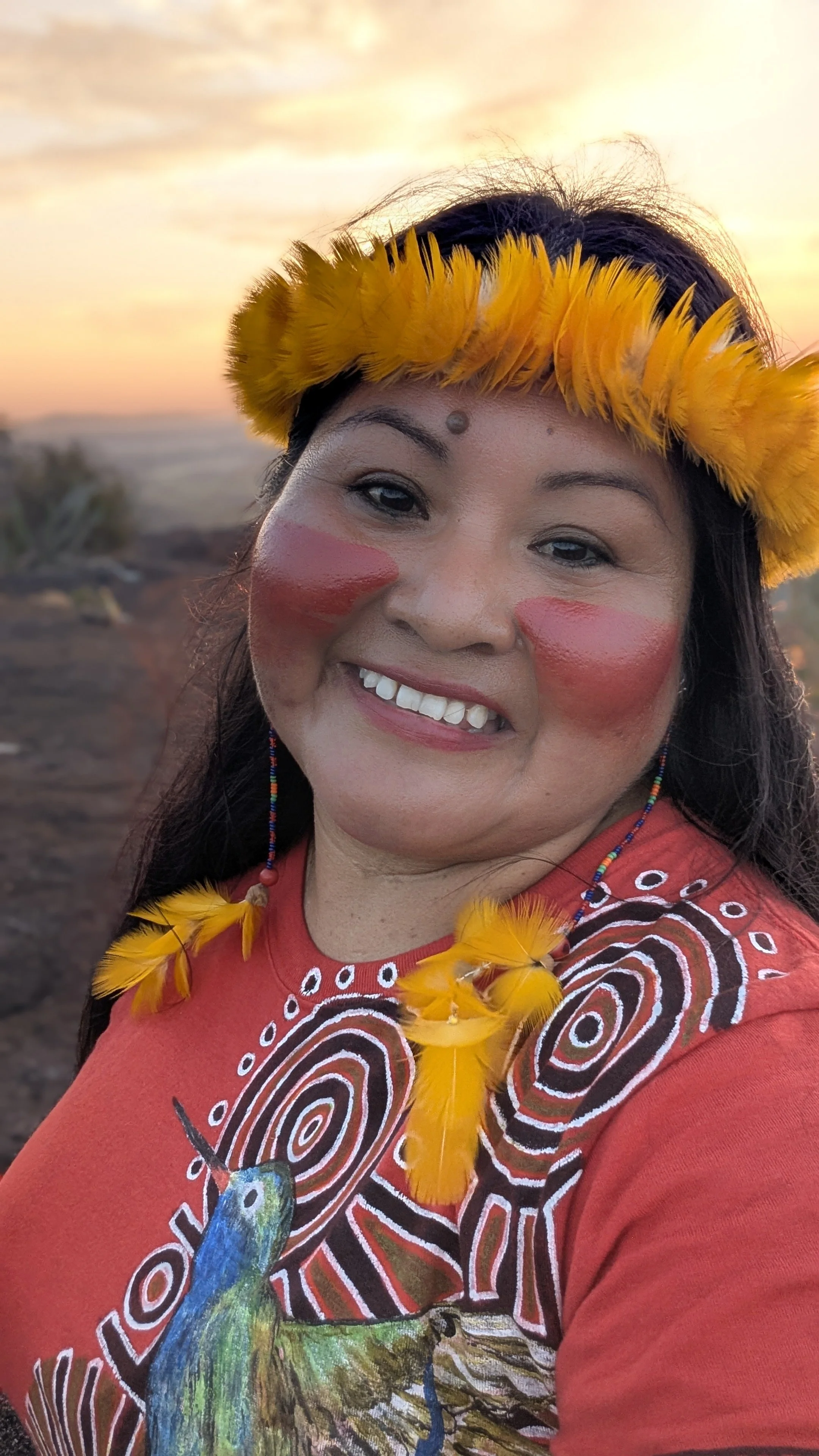
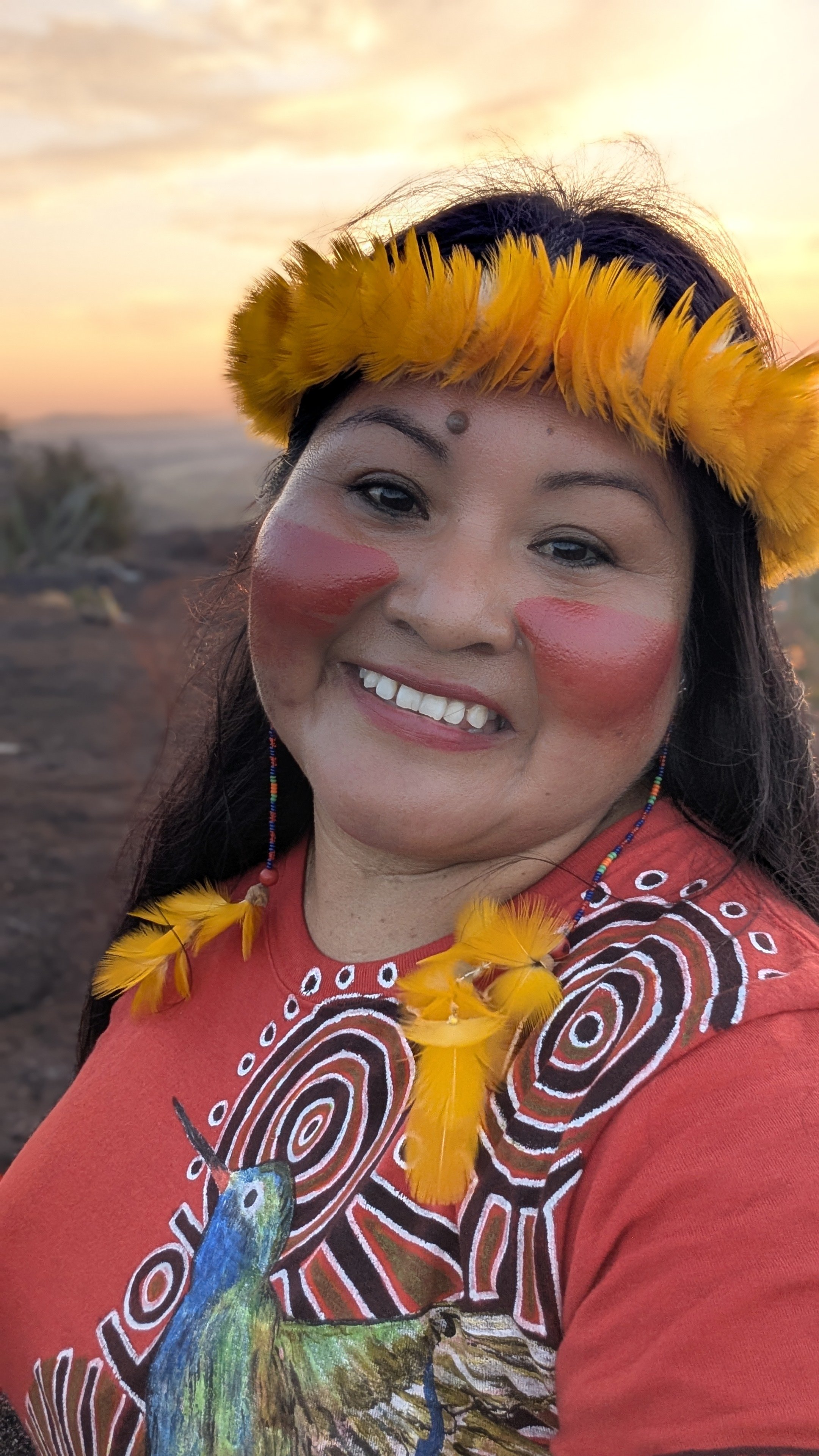
Photo of Immaculata Casimero, Co-founder of the Wapichan Wiizi Women’s Movement.
Kaiman! Greetings from the Wapichan Territory to all of you, wherever you are joining from today. I am honoured to share this virtual space with you. I am Immaculata Casimero, and I join you today as a sister, a mother, a Wapichan woman, and one of the founders of the Wapichan Wiizi Women's Movement.
We have gathered under the theme "Caribbean Indigenous Feminism Against Imperialism." For us, those words are not theory. They are daily life. Imperialism is not only something from history books. It is still here, in untitled land, in mining in our rivers, in oil and gold deals made far away from us without our Free, Prior and Informed Consent, and in borders argued over by nations while our families live in the middle.
And it is Indigenous women who carry the heaviest weight. We feed our families from the land, draw water from the rivers, and care for the sick when there is no clinic nearby. So, when our land is threatened, our lives are threatened. For us, Indigenous feminism means defending our land, our language, our bodies, and our right to decide our own future.
I want to begin by telling you how we came to be, not as an organization with an office and a letterhead, but as an idea, a conversation, a promise between women.
It started with my sister, Ms. Faye Fredericks, and me. We sat together and talked about something that had been weighing on our hearts for a long time. We asked ourselves: why is it that women in our communities are seen only as stay-at-home mothers? Why are we not in the rooms where decisions are made? Why are our voices not heard when it matters most?
We wanted to talk about women's rights. We wanted women not only to know their rights, but also to speak out, to be involved in decision-making, and to become leaders in their own communities.
But before we could talk about rights, we had to listen. We had to ask women: what are you facing? What keeps you awake at night?
That is how the Wapichan Wiizi Women's Movement was born, in the South Rupununi, rooted in the real lives of our women.
“Imperialism is not only something from history books. It is still here, in untitled land, in mining in our rivers, in oil and gold deals made far away from us...”
Geneva and How the Work Began
In 2019, we took our first big step. I travelled to Geneva, Switzerland, and delivered an oral presentation to the United Nations Committee on the Elimination of Discrimination against Women. Imagine that: a Wapichan woman from the South Rupununi, sitting before a United Nations committee, telling our story to the world.
That moment mattered. Since then, we have worked with different agencies to address the issues that affect our women, especially domestic and sexual violence.
Building Capacity on the Ground
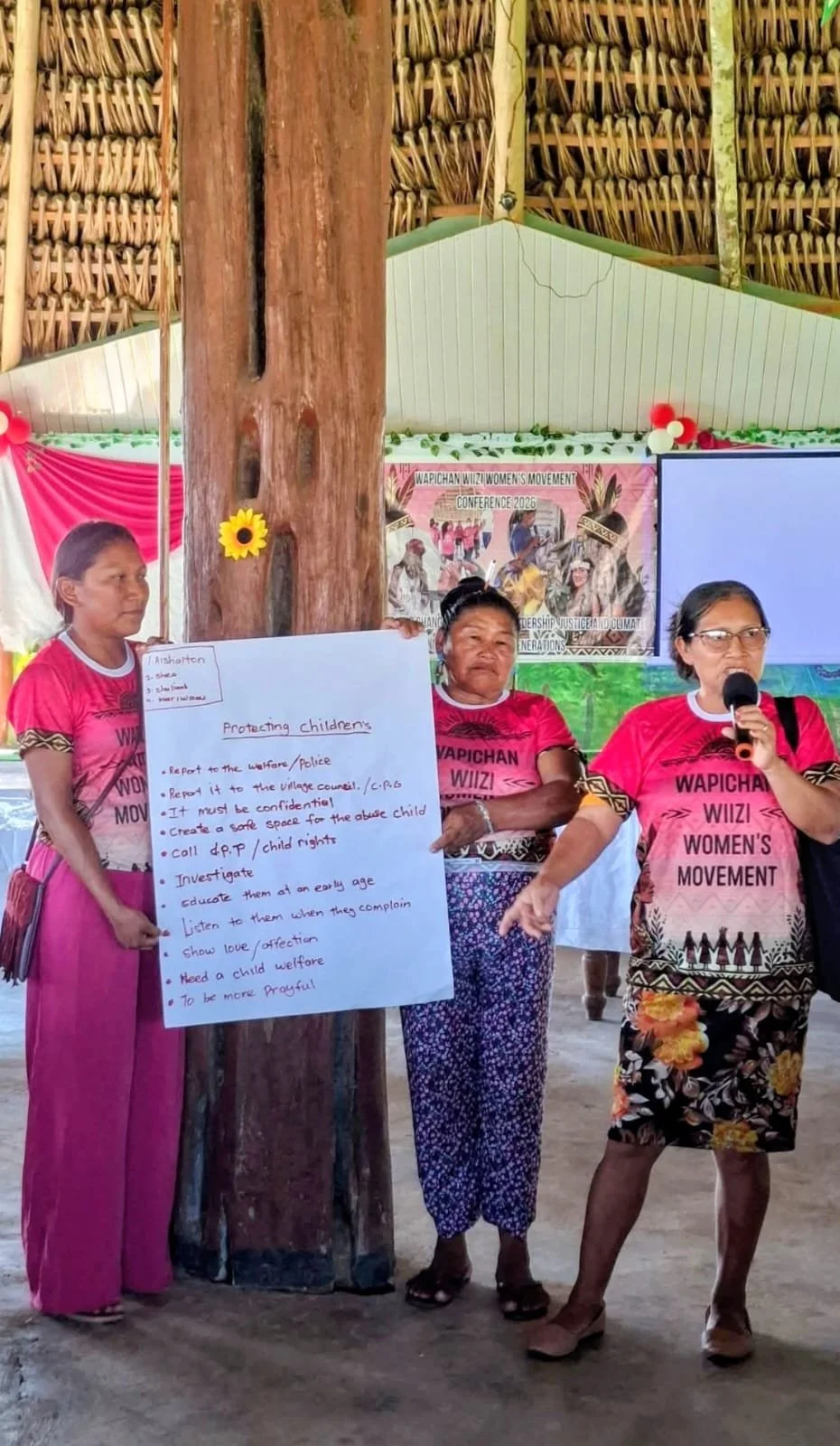
Photo of the Wapichan Wiizi Women’s Movement conducting a capacity building session.
We secured funding from the Women's Voice and Leadership program and the Equality Fund. And with that funding, we did something we had never been able to do before.
Just before the pandemic, we trained ten women, including myself, to lead workshops in all twenty-one communities. We would no longer depend on outsiders. We would have our own sisters carrying this work forward.
And we made an important decision: we would speak in Wapichan, our own language, because we wanted every woman to understand fully, not just to nod and pretend. We wanted real understanding. Real change.
That is how we talked about women's rights, climate change, and gender, topics many of our women had never been exposed to before, in our own language, on our own terms.
2021-2023 Reaching All 21 Communities
From 2021 to 2023, we reached all twenty-one communities in the South Rupununi. We created women-only spaces, where women could share their experiences, speak freely, cry if they needed to, laugh when they wanted to, and, most importantly, listen to each other.
Those conversations led to an important recommendation: men must be part of our decisions. Real change does not come from women sitting alone under a benab; it comes when the whole community moves forward together. So, we invited men to eight of our workshops.
We also promoted women's leadership within our village councils. Over the years, we have seen more women speaking up and sitting at the table. Is the gender balance perfect yet? No. But we have seen growth, and we celebrate every step.
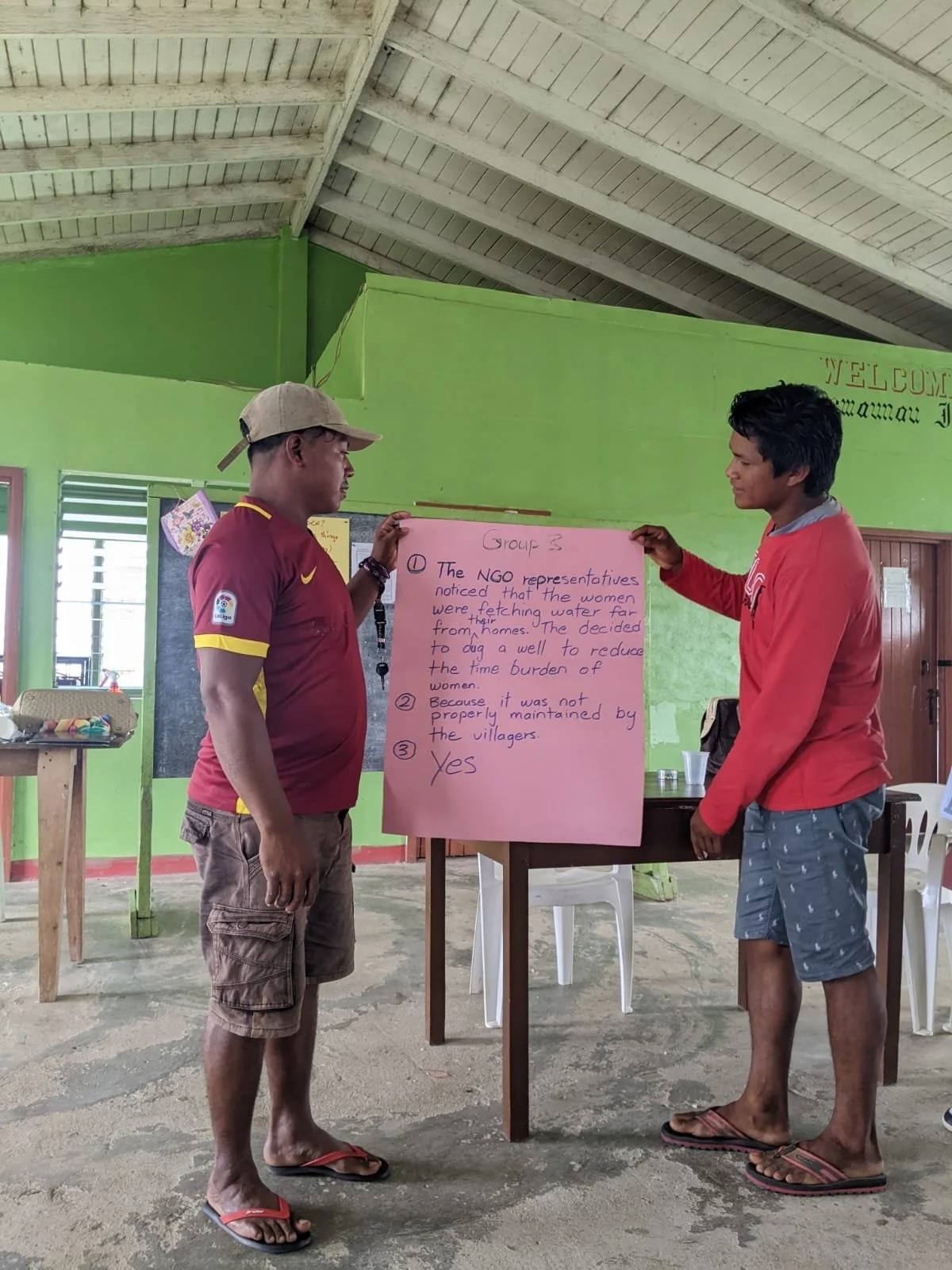
Two men delivering a group presentation in a session convened by the Wapichan Wiizi Women’s Movement.
The Strategic Plan
We knew we needed a plan, not one made for us by outsiders, but one made by our own women. So, we developed a strategic plan focused on five key areas: empowerment and leadership, gender equality, economic self-sufficiency, safety and security, and health and environment. We also work on other issues that affect women in our communities.
That plan is our map. And when the road gets hard, as it often does, we return to it to remind ourselves where we are going and why we started.
Climate Change and Livelihoods
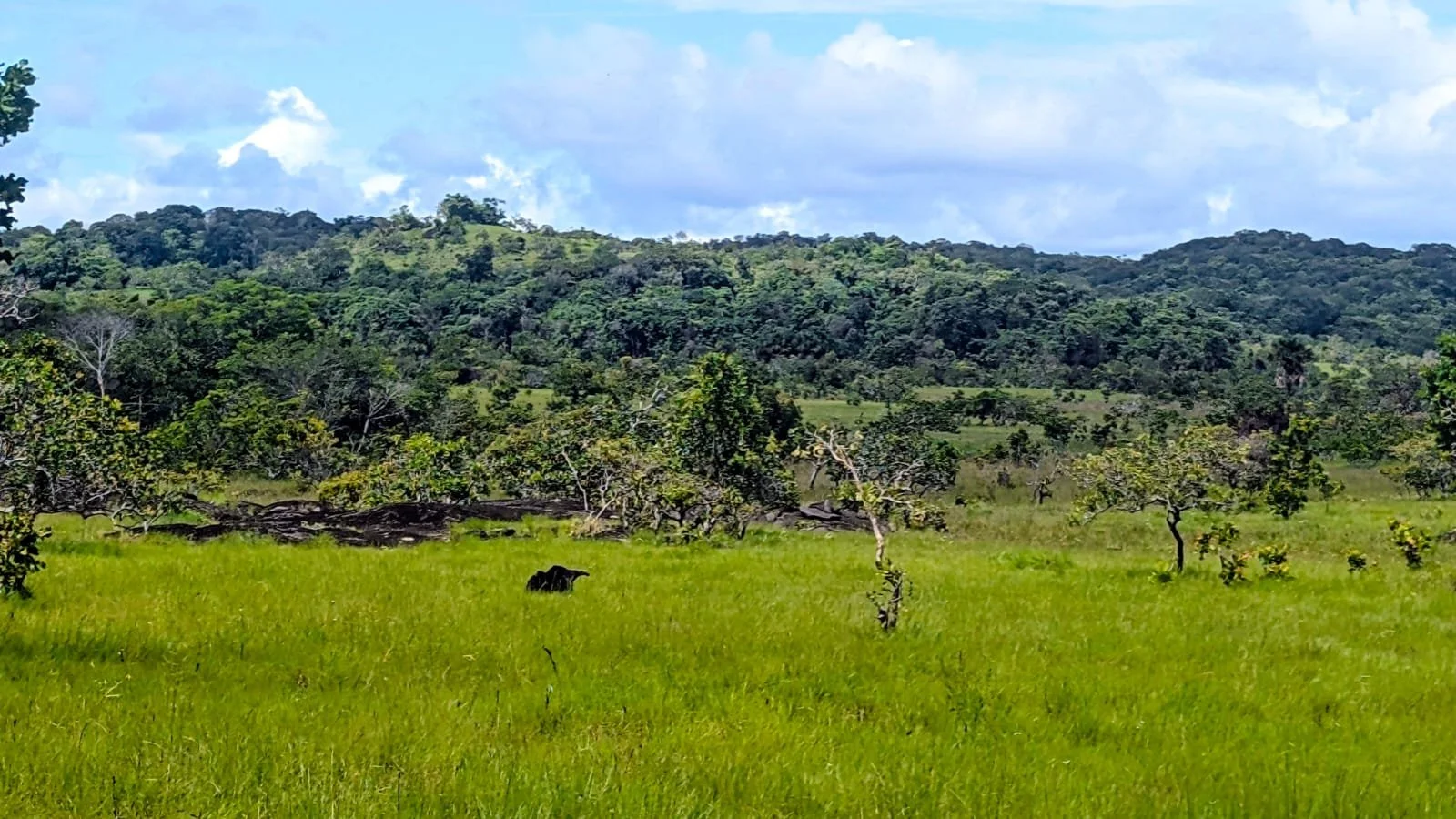
Photo of Wapichan territory by Immaculata Casimero.
Now, I want to talk about something that touches every single one of us: the climate crisis.
In the Rupununi, farming is our main source of sustenance. Farming is how we feed our families. Farming is how women have always provided for their children.
And the climate crisis is devastating. The rain comes too late, or too heavy, or not at all. The crops fail. And when there is no food for women, when there is no food for children, it is women who carry that burden. It is women who go without so their children can eat.
So, we created the Women's Livelihood Project. Its purpose is to support women's enterprises, the ones that already exist and the ones that women want to start. This project helps us combat the effects of climate change while ensuring women can earn income for their families, right there in their own communities.
Because women should not have to leave their homes and their families to survive. They should be able to build a future where they are.
Land, Mining, and Parabara
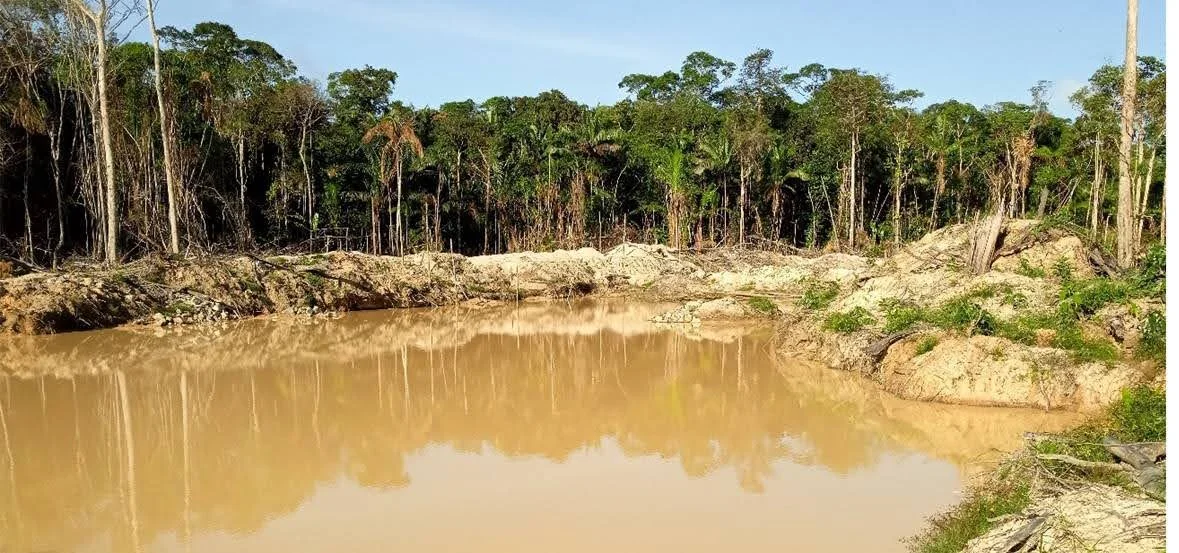
Photo of polluted river water in Guyana.
We cannot talk about survival without talking about land. Large parcels of our lands in the South Rupununi are not titled. These are our ancestral lands, where our families have lived for generations and where our ancestors are buried. Yet many of our requests for land extensions have not been granted. In Guyana, this is still an unresolved issue for most of our villages.
Mining is also a threat. As women, we depend on our rivers. We depend on our forests. We depend on the land. And mining does not respect those dependencies. And then there is our health. In 2018, one of our communities, Parabara, was the subject of a survey. That survey showed that women in Parabara had mercury contamination levels well above those recommended by the World Health Organization. [1]
That was in 2018. And since then? Nothing has been done. No further testing. No answers. Not even follow-up.
So today I make a demand, as a woman, as a sister, as a mother: carry out more testing on women in our villages, not just in our territory, but wherever other Indigenous Peoples depend on rivers as well. Our health is not something the world can ignore.
The Essequibo Dispute
I also want to speak about something that has brought fear into our homes: the border controversy over the Essequibo.
When everyone was talking about it, the world saw a political dispute. But for us, it was not abstract. Our villages and our homes are in the very area claimed by Venezuela.
Yes, it was a concern for women. It was a concern for our children. Even though our families heard about it mostly through the news, uncertainty settled over our communities.
We tried to follow the government's guidance. We did what we could. We offered prayers.
That, my friends, is what we could do as community members. And I say that with a heavy heart, because when you live in the middle of a dispute, when the maps of nations are drawn and redrawn around you, prayer should not be your only protection.
Contemporary Imperialism
And this brings me to what I want to say about contemporary imperialism.
Today, the focus is on oil and gold investment in Guyana. And I understand that for many people, our land represents opportunity. Profit. Investment.
But that is not how we see it. Other people see our land as profit. We see them as gifts.
We see them as our supermarket, the place we go for food when we have no money to buy anything. We see them as our pharmacy, the place we go for medicine when the medicine from the hospital, Western medicine, does not help us.
It is a different way of life. And it is a way of life that cannot be measured in dollars, in barrels of oil, or in ounces of gold. When the land is destroyed, it is not just an environmental loss. It is a loss of who we are.
*
So where does that leave us? Where does that leave the Wapichan Wiizi Women's Movement? It leaves us with work to do. And we are doing it.
We are building a movement where Indigenous women know their rights. Where they speak out. Where they sit in leadership and make decisions. Where they protect their land, their rivers, their forests. Where they build livelihoods that allow them to stay in their communities with dignity.
And we are not alone. We work alongside other organizations that share the same concerns as we do, sharing our struggles and our strength. This fight belongs to Indigenous women everywhere who are fighting for their land, their rights, and their future.
Because the work Indigenous women do is not just for us, and not just for our future. It is for the world at large. When we protect our forests, our rivers, and our savannahs, we are protecting the air you breathe and the climate we all share. The climate crisis does not stop at the borders of our villages. It affects our entire world. So, when you stand with Indigenous women, you are standing for the future of everyone.
So today I ask you:
Respect our ancestral lands and our rights as Indigenous Peoples. Support women's leadership and women's economic empowerment. Address the contamination that has been ignored in our communities affected by pollution.
Recognize the human dimension of the Essequibo dispute. And see our lands for what they truly are: life. Not profit. Life.
And to every organization joining us today, I extend a special invitation: stand with us. Stand with the Wapichan people. Partner with us, amplify our voices in your networks, and carry our demands into the spaces where we are not yet invited. Our struggle for land, for health, and for the right to decide our own future is part of the same struggle against imperialism that brings us together today.
If you stand with us, I invite you to say so right now: "I stand with the Wapichannao."
We are Wapichan women. We are not asking for permission to exist, to speak, or to lead. We are claiming the space that has always been ours.
—
Endnotes
[1] Papannah, David and Laurel Sutherland. 2021. “Parabara Still in the Dark on High Mercury Exposure.” Starbroek News, https://bit.ly/47JHeoL.
This essay by Immaculata Casimerio was original presented as the keynote address for Intersect Antigua-Barbuda’s October 8th webinar, “Indigenous Caribbean Feminisms Against Imperialism: Testimonies from the Wapichan Wiizi Women’s Movement in Guyana.”
Testimonies from the Wapichan Wiizi Women’s Movement by Immaculata Casimero