

The Grenada Revolution with Amílcar Sanatan
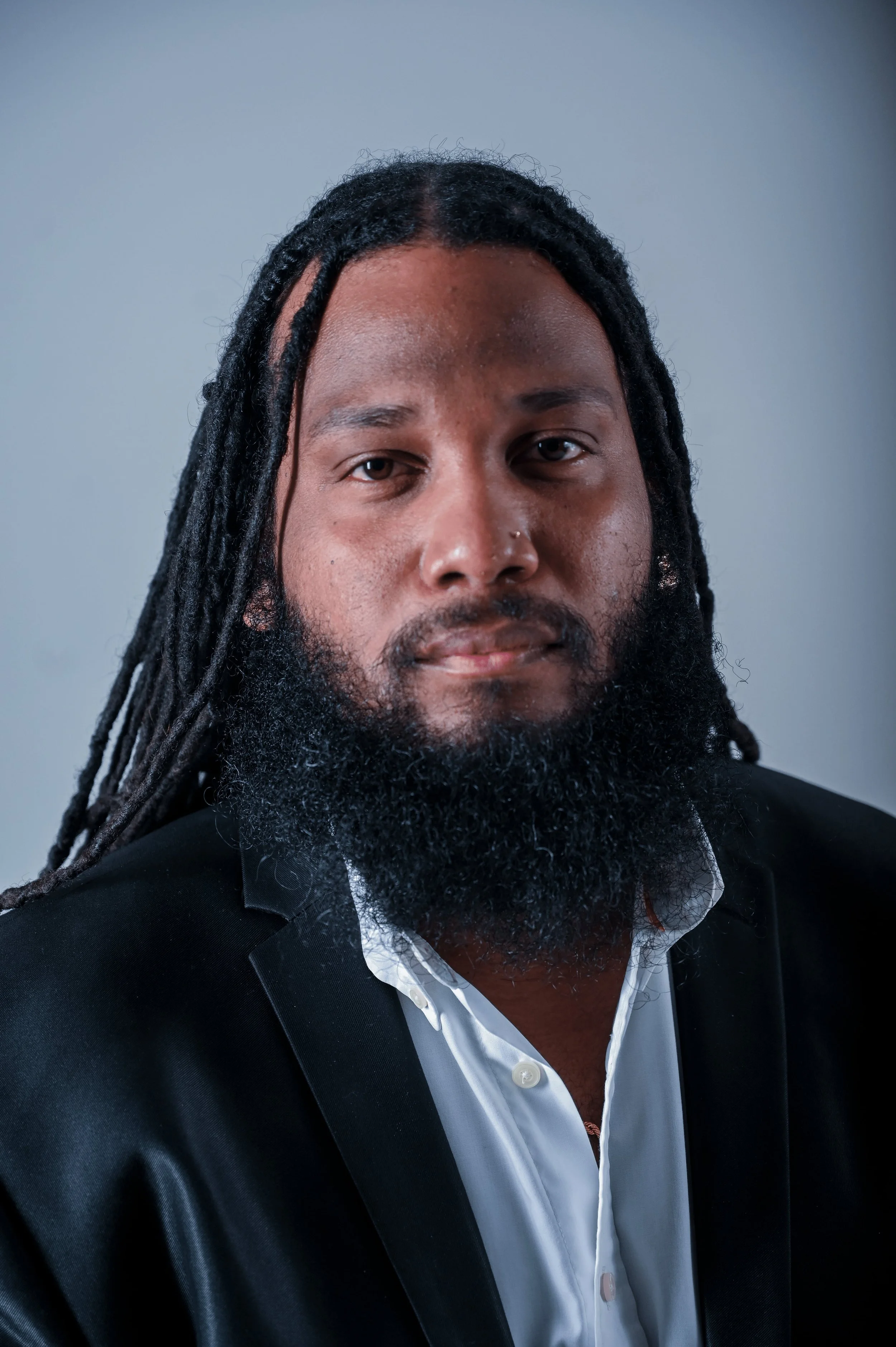
In “The Concept of Intersectionality: Combatting Multiple Systems of Oppression in Caribbean Movements and the Grenada Revolution,” Amílcar Sanatan began what turned out to be another intellectually vibrant and stirring Intersect session in political education with a transnational inquiry into gender and revolution:
“Why does this photograph move in a revolutionary moment around the world?”
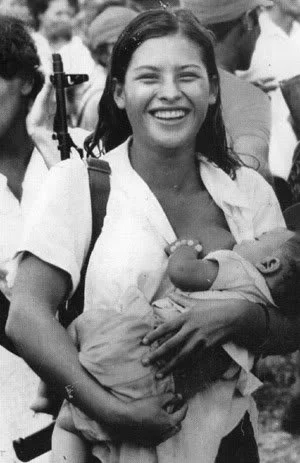
Bianca Lopez Hernandez
“The Militia Woman from Waswalito,” Nicaragua
The photograph in question, “La Miliciana de Waswalito” (The Militia Woman from Waswalito, Nicaragua), was critiqued as an example of propaganda on the left for mobilizing the revolutionary woman as a figure not at all in tension with women’s reproductive labor in the domestic sphere. While women are called upon to defend the revolutionary project, the reproduction of the household, and the nation, through childrearing, is reassigned to them as an imperative.
Sanatan critiques this imperative, reflecting that “the revolutionary woman does not absolve herself of the burden of motherhood and childrearing…”
Sanatan then theorized The Grenada Revolution across the following themes and lines of inquiry:
Sanatan discussed the intersection of beauty politics, masculinity, and power. He noted that the perceived physical attractiveness and vaunted masculinity of renowned revolutionary figures, including Grenada’s Maurice Bishop 1944-1983, Jamaica’s Michael Manley, 1924-1997, Argentina’s/Cuba’s Che Guevara 1928-1967, Guyana’s Walter Rodney, 1942-1980, is political. While these men owe their successes as figures within revolutionary movements to their skills of oration and political acumen, their physical comeliness cannot be separated as incidental to the power they stepped into. Power in men is eroticized.
The archive also centers male figures and constructs heteronormative desire. People are taught to desire charismatic revolutionary figures.
Inquiry
When considering the archive and its representation across gender differences, one must reflect on the following: Whose frame is centered? Who is confined to the margins? How does the archive reinforce unequal relations of power, including patriarchy, colonial subjection, and the subordination of women?
“In Masculinism and Gendered Power Relations in the Caribbean Left,” Sanatan critiques the masculinization of revolutionary movements, discourses, and figures for peripheralizing the invaluable contributions of women:
“ First, it is partial and unduly selective because it does not reasonably interpret the concrete actions on the ground in many Caribbean liberation movements, movements in which the participation of women was crucial.”
More reflections from this teach-in have been written and will be published in a forthcoming post-session handout that you can take with you into the world.
Access Intersect’s playlist of clips from Amílcar’s teach-in.
About Amílcar Sanatan
Amílcar Peter Sanatan is an interdisciplinary Caribbean artist, educator, and activist. He is from Trinidad and Tobago and currently works in Helsinki, Finland. His public leadership and research amplify the youth-child-gender equality nexus of development, decolonial urbanism, and literary publics in social change. He promotes co-imagining and co-creation of development in the Caribbean and Americas region.
Sanatan is the recipient of several professional and social leadership awards for his service to under-resourced communities in the region. He promotes democratic, sustainable and grounded approaches to national, regional and global development. Sanatan has co-edited two special issues in academic journals on Caribbean gender and cultural studies. He holds a BSc. Psychology and MPhil. Interdisciplinary Gender Studies from the University of the West Indies. He is a PhD student in Cultural Studies in the same institution.
