Resilience in the Face of Natural Disasters
Heavy
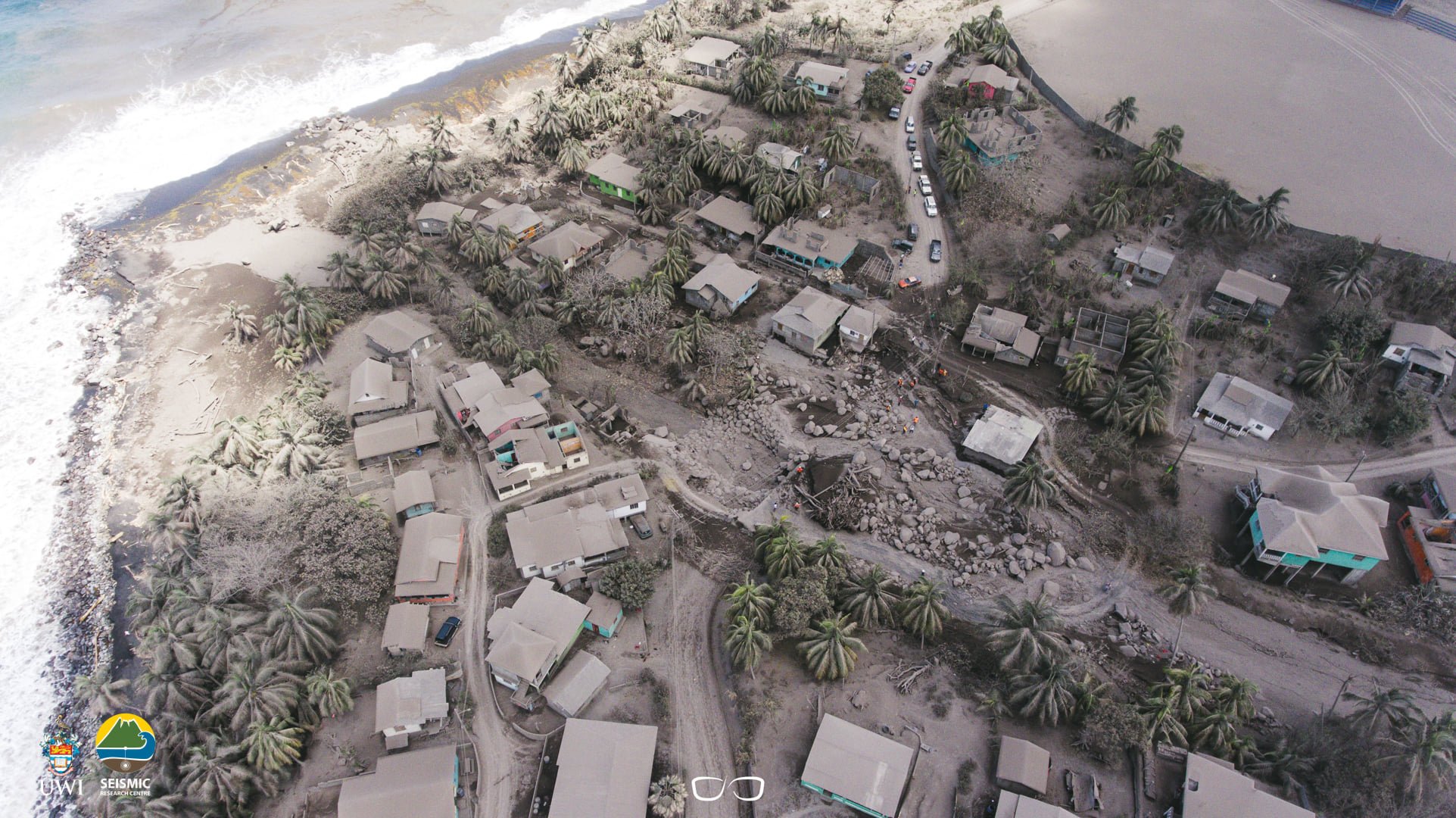
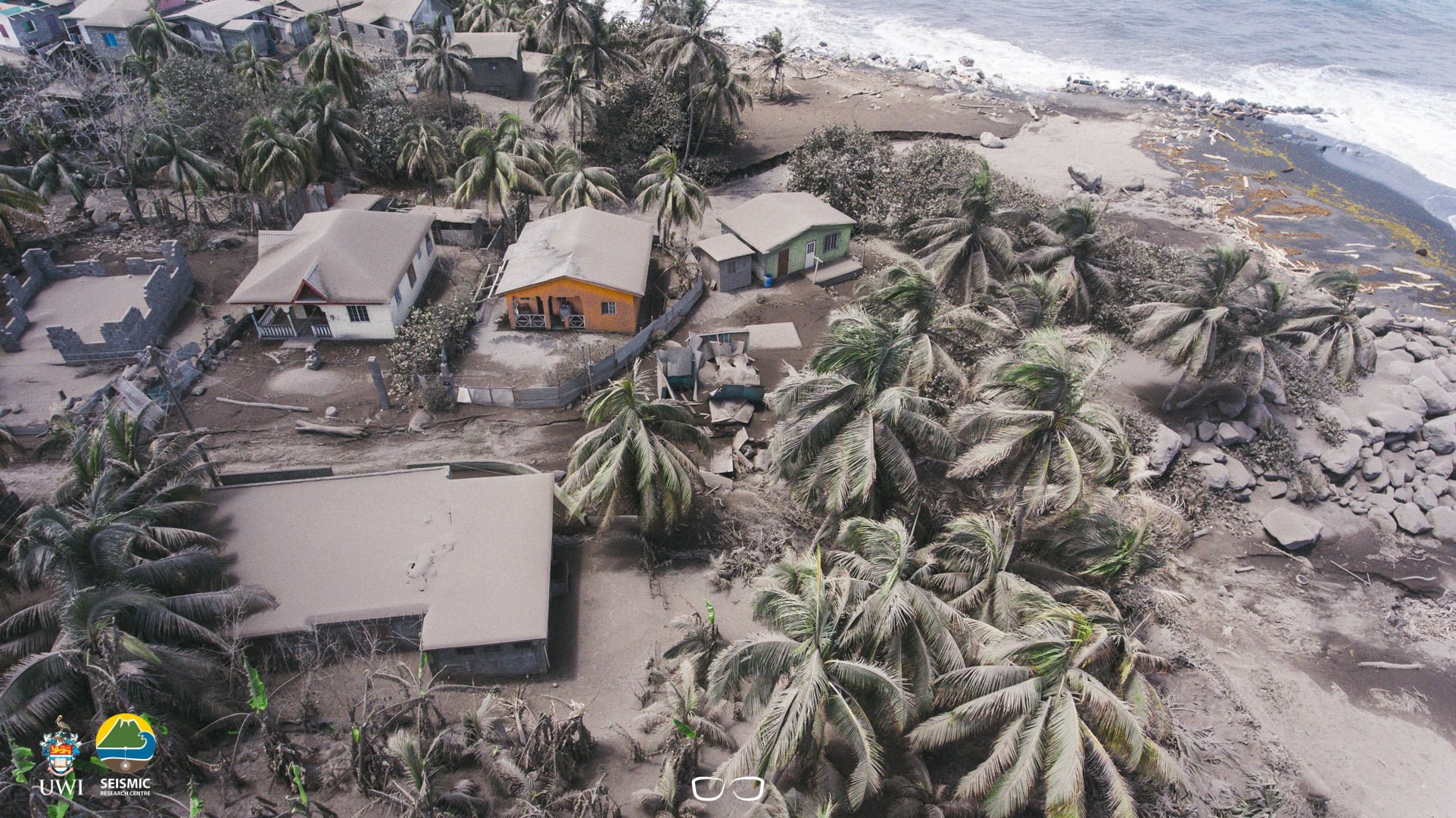
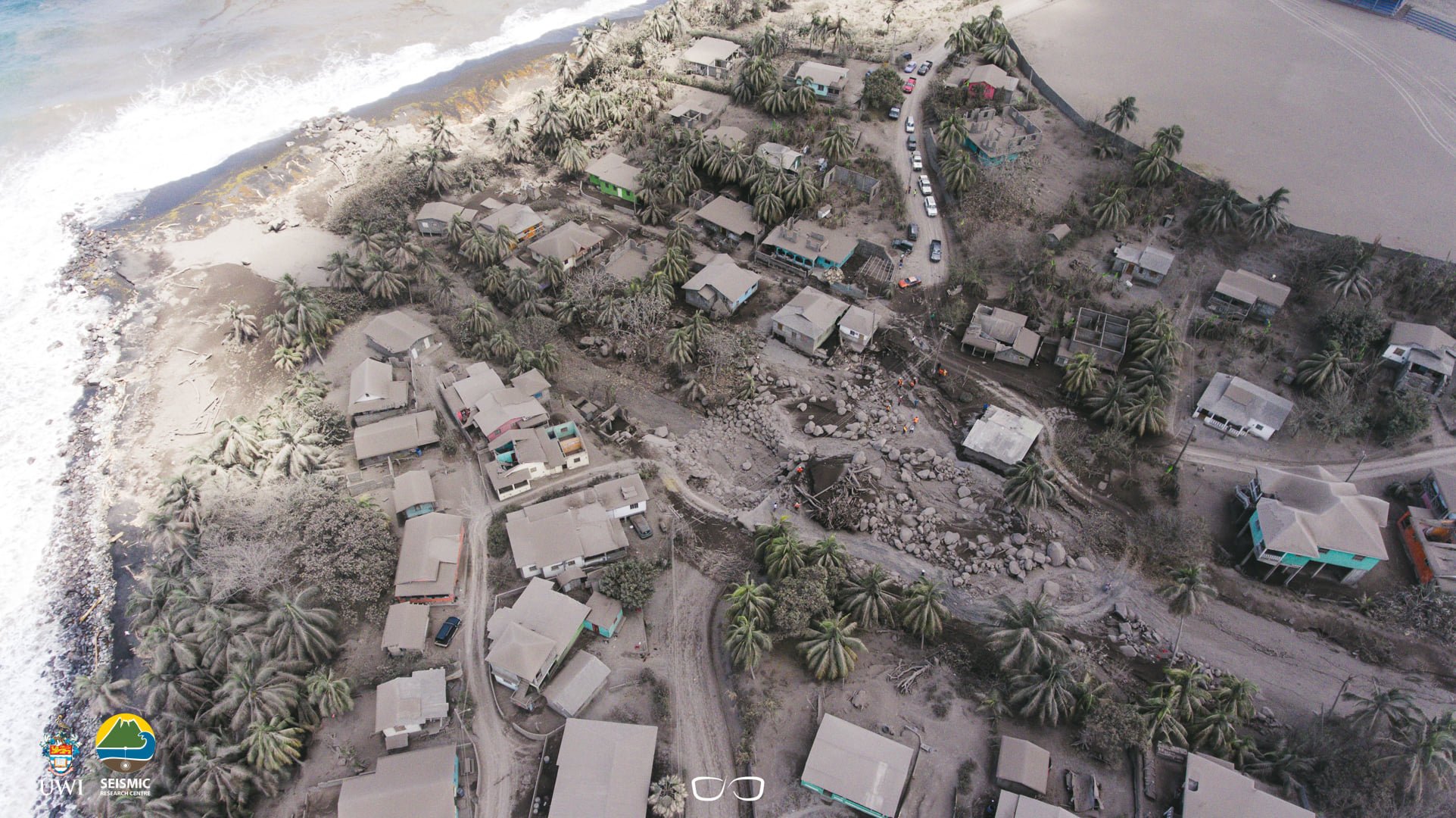
It was then that I really saw the exodus. I remember the mattresses- some folded to accommodate another- others splayed on the sides of trucks and vans. I remember the strained faces of a people who were trying to get to a destination some of which were unknown.
RESILIENCE IN THE FACE OF NATURAL DISASTERS
Snow on Banana Leaves
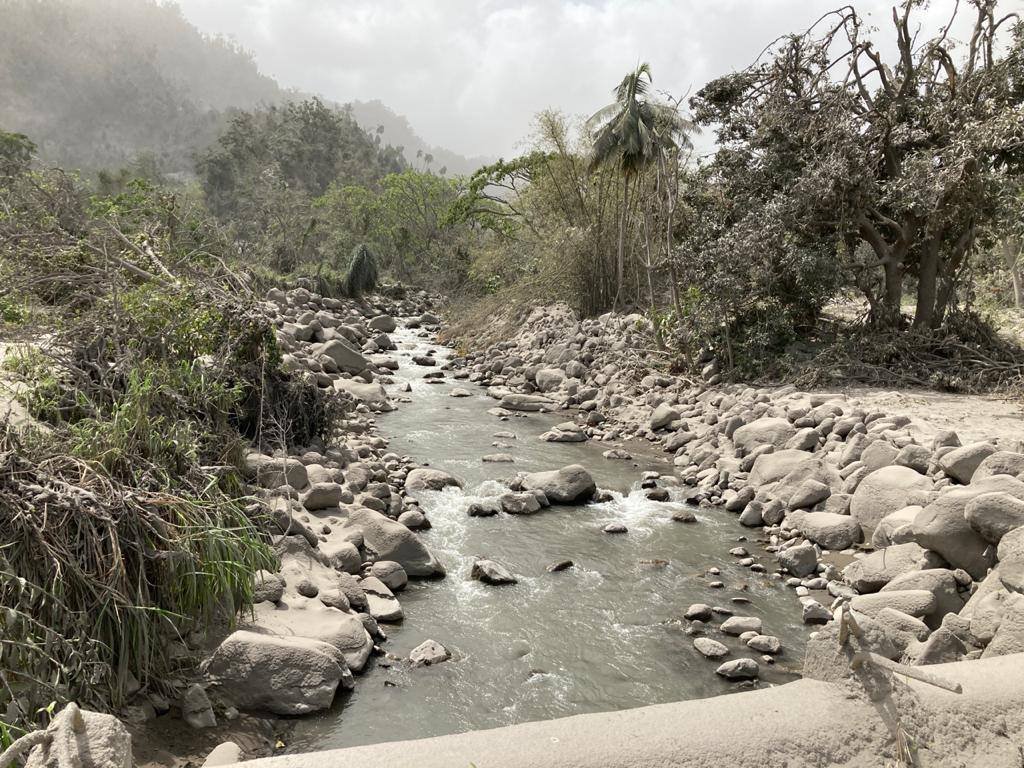
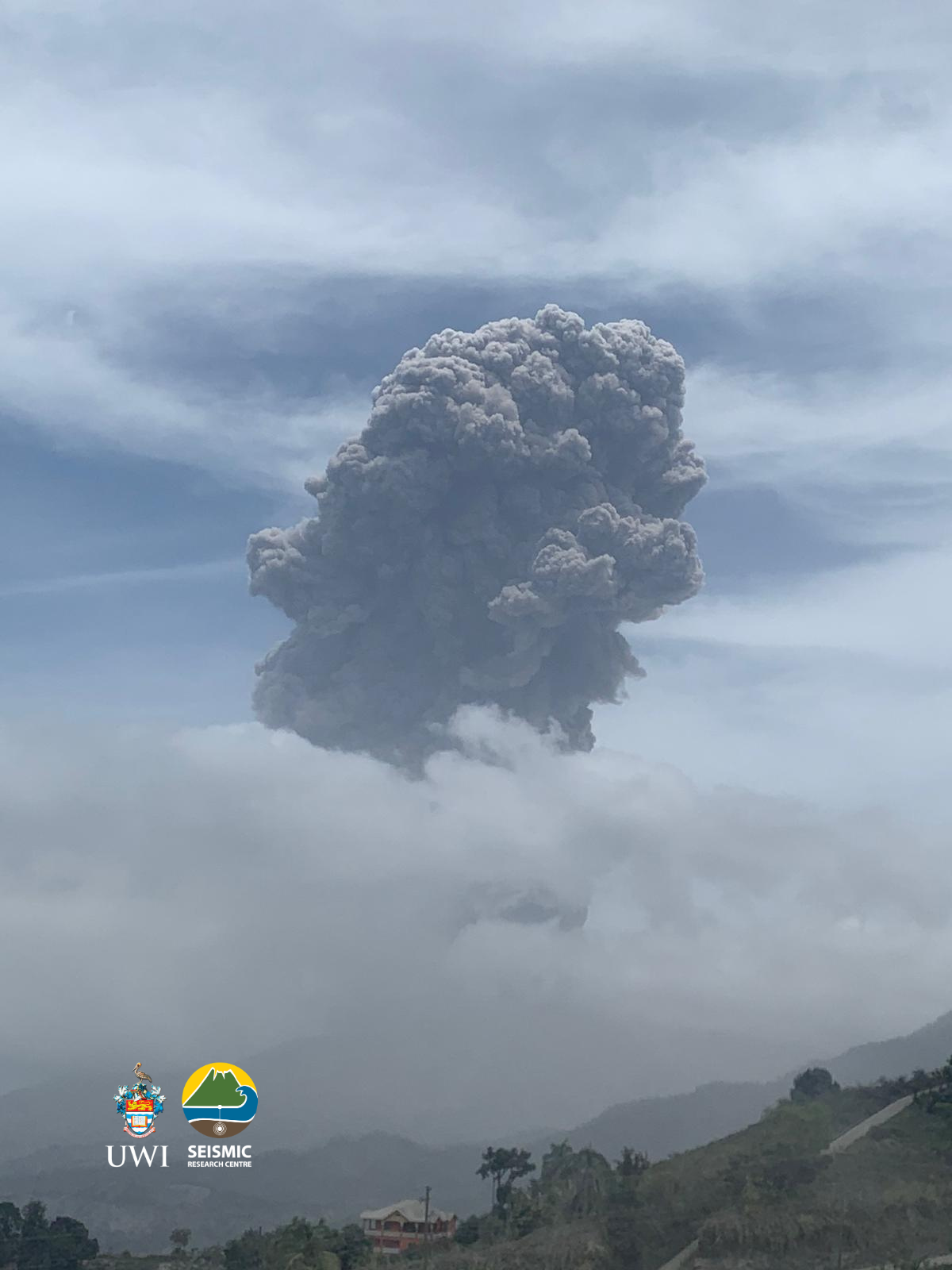
Petra had lived long enough to witness this once before. The monstrous anger of Soufriere in 1979. The pelted stones and the wrathful skies of obsidian.
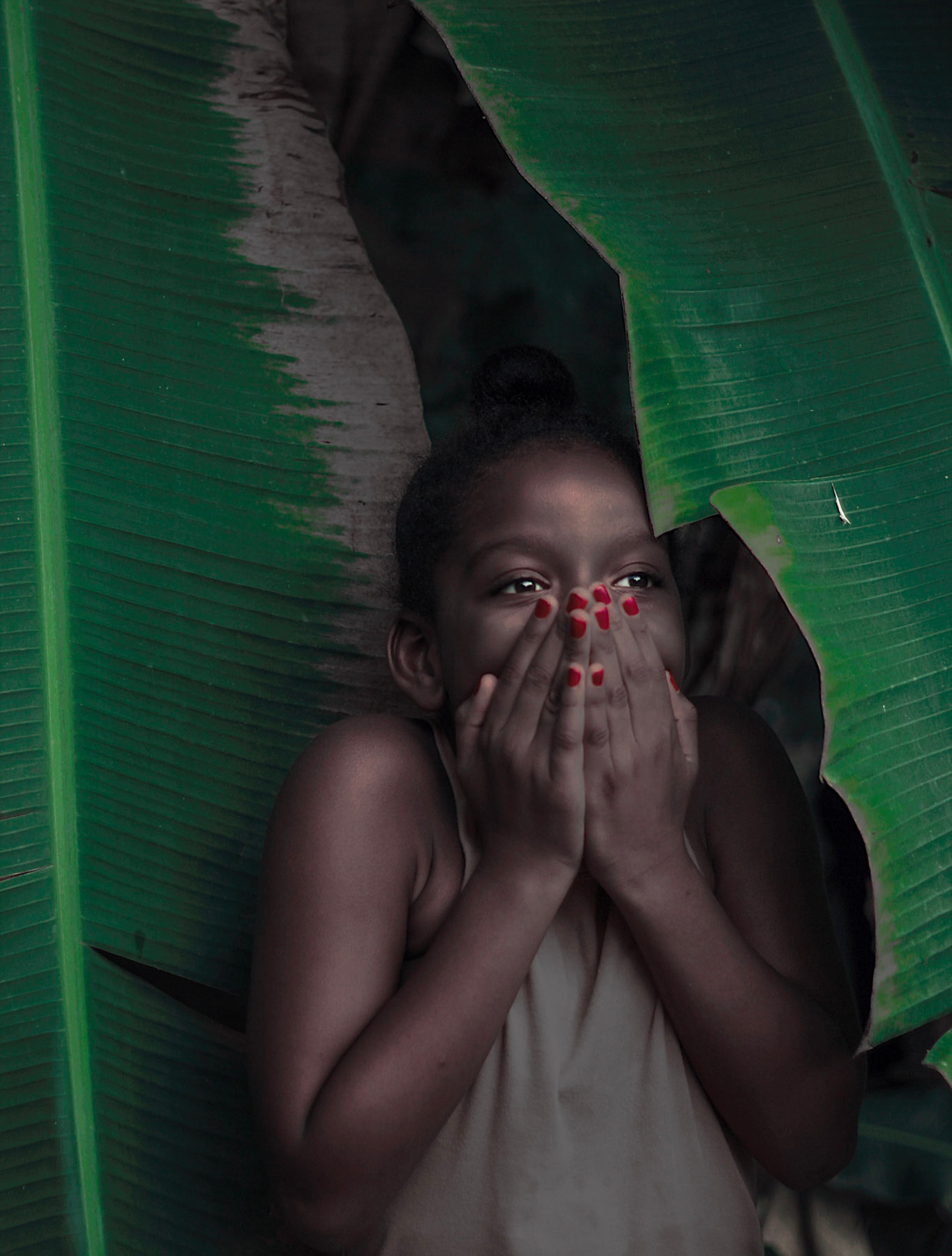
RESILIENCE IN THE FACE OF NATURAL DISASTERS
Strayed Child of Hairouna
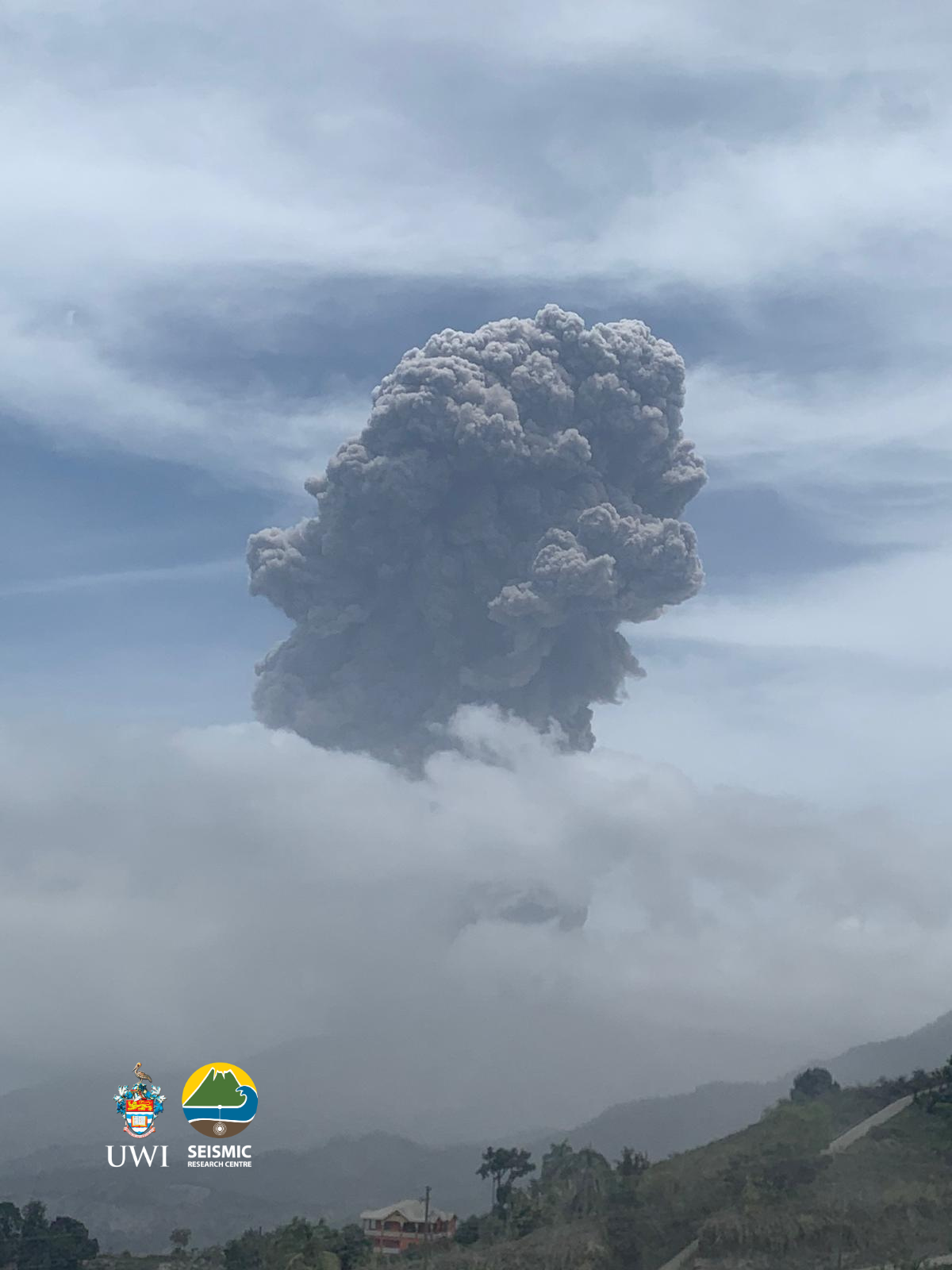
You used to tell people about the volcano in your island with a kind of pride, the life source of the island-- a natural phenomenon that humbles even the most arrogant. Is it still active? People would usually ask. Could blow at any time you respond.
“Resilience” in the Face of Natural Disasters
“To be resilient is, ultimately, to exist in an unfathomable not-dying.” — Kaiama Glover
“Resilience” is often demanded of small island developing states, allowing larger “global north” countries, which contribute the most to climate change and environmental degradation, to evade accountability. Resilience is often a call to adapt to and withstand anthropogenic harm, and to return to the very conditions that engendered it. Here at Intersect Antigua-Barbuda, we want to denaturalize disasters and call attention to the politics of resilience. What possibilities become emergent in a Caribbean feminist turn toward resilience?
Filter
- Andaiye
- Antigua and Barbuda
- Art
- Artist-in-Residence
- Ayiti
- Barbados
- Barbuda
- Book Review
- Caribbean Feminisms
- Caribbean Movements
- Carnival
- Climate Justice
- Colombia
- Colourism
- Cuba
- DRC
- Decolonization
- Dominica
- Editors-pick
- Film Review
- Grenada
- Grenada Revolution
- Guadeloupe
- Guyana
- Haiti
- Healing Justice
- Indigenous
- Indo-Caribbean Feminisms
- Jamaica
- Japan
- La Soufriere
- Liberation Poetics
- Palestine
- Political Education
- Post-Indenture Feminism
- Puerto Rico
- Queeribbean
- Red Thread
- Revolutionary Women
- St. Kitts and Nevis
- St. Lucia
- St. Vincent and the Grenadines
- Sudan
- Teach-In Series
- The Bahamas
- The Grenada Revolution
- Transnational Feminism
- Trinidad and Tobago
- USA
- Venezuela



JOIN OUR COMMUNITY
Reach out to us at contact@intersectantigua.com for more information about our Caribbean Feminist Stories project, Responsive Writing Series, Teach-In Series, and/or Artist-In-Residence Programme.
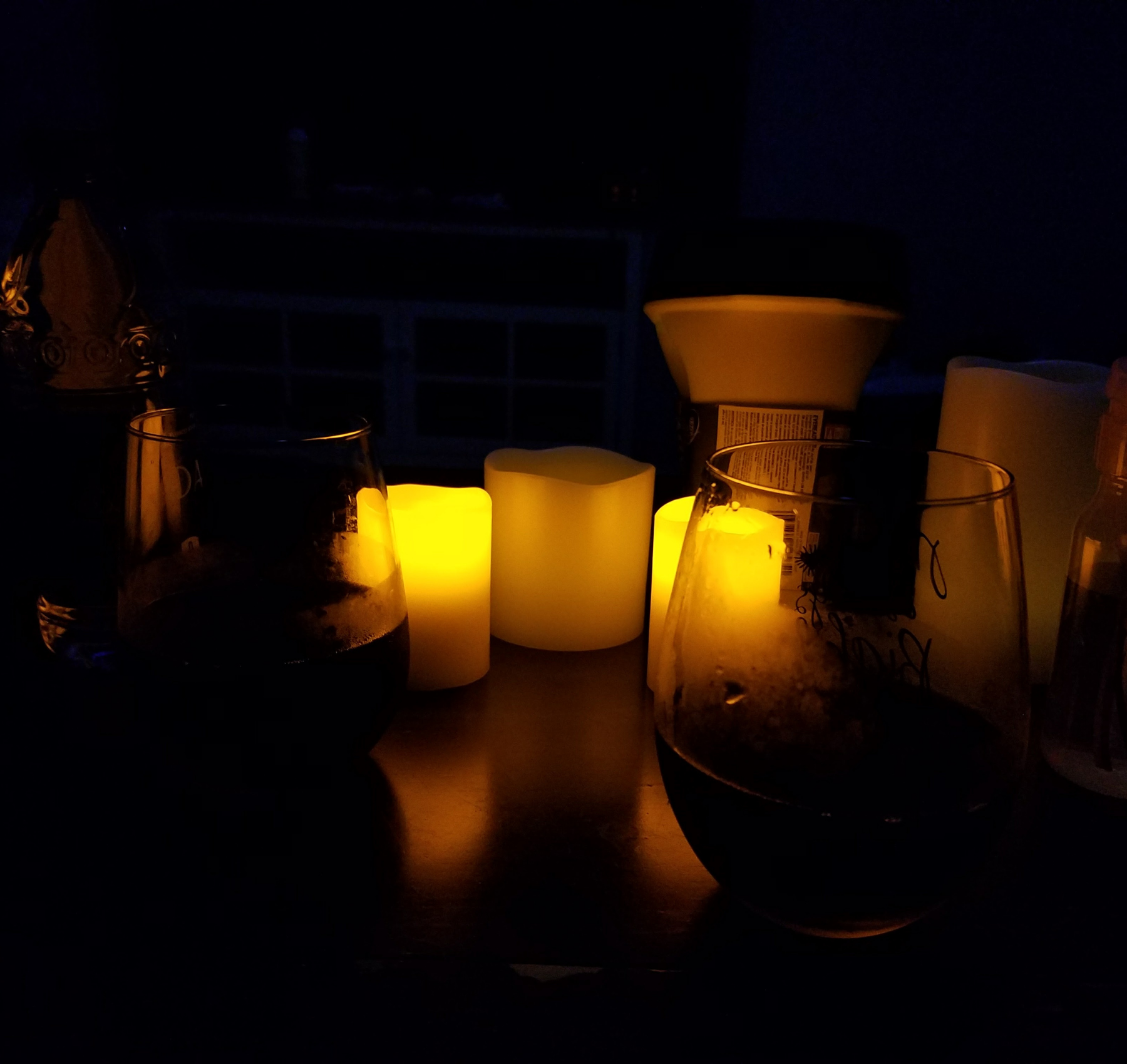
I struggle to breathe
Carbon dioxide in the atmosphere
Continuously you feed.
I am living in fear.