

A Liberation Delayed
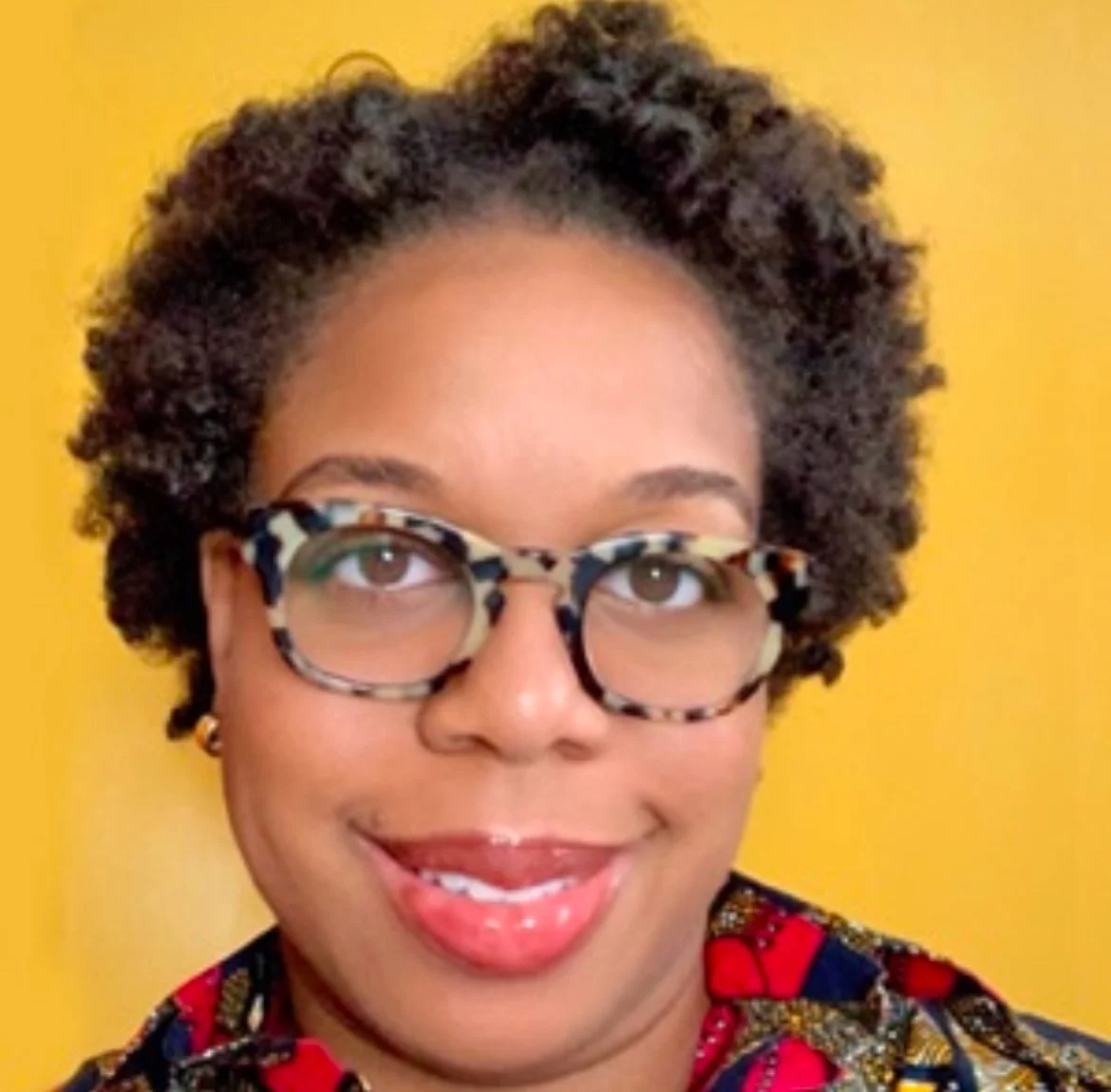
Photo of Dr. Natasha Lightfoot.
On January 13th, 2025, Intersect Antigua-Barbuda hosted its fourth virtual teach-in titled “A Liberation Delayed: Antiguan Black Women’s Post-Slavery Struggles in the Church and Home,” facilitated by Dr. Natasha Lightfoot.
In this session, based on a chapter, “Sinful Conexions,” in Dr. Lightfoot’s book, Troubling Freedom: Antigua and the Aftermath of British Emancipation, participants critically explored the extension of unfreedom in the aftermath of abolition and the new modalities of governance, colonial surveillance, and biopolitical power exerted by colonial authorities and their appendages—including the Moravian church.
Dr. Lightfoot’s text evinces the ways that the archive produced what Saidiya Hartman terms a “grammar of violence” that obscured and distorted Black sociality and community. Her text is an invitation to read contrapuntally, following Edward Said, and with a strong feminist sensibility, and reveals the importance of exegetical work to understand the historical roots of contemporary structures of gender subjection in the Caribbean and beyond.
Dr. Lightfoot described this teach-in as intended to address:
“the experiences of newly freed women in Antigua as particularly disadvantaged in the post emancipation transition, as shown in how they endured the restrictions of the Christian Churches and, moreover, the spillover of those restrictions into their homes and family formation processes. Their difficulties in terms of building stable intimacies and safe domestic spaces for themselves, in the context of the dire economic straits that the entire island experienced after the 1834 emancipation, demonstrated that while freedom as a whole fell short of all Black people’s desires, it especially failed to liberate women.”
Key Inquiries
How are the demands placed on women immediately after slavery within and beyond the home indicative of gendered constraints that endure across time and space?
What were women’s strategies for survival in this particular moment, and did they meet their needs?
What can we learn from histories of failure?
The session offered a historical sense of:
The difficulties of life in Antigua in the period immediately after slavery for newly freed people.
How Christian Churches offered a contradictory space of social and spiritual community, but also restrictions that made them akin to the British colonial state.
How Black women navigated both of the aforementioned phenomena by trying to protect themselves and their families consistently, but not always successfully.
Dr. Lightfoot cautioned against romanticizing resistance. Antiguan working people in the period after emancipation did not constitute a monolith and often clashed with each other. They both resisted oppression and were forced to work against their interests to survive and withstand reconfigured power structures designed to re-secure unfreedom in the post-emancipation period. This insight is resonant with Saidiya Hartman’s critique of conferring humanity upon newly freed people in the United States’ post-Reconstruction context, not as a moral obligation or recognition of personhood and its inherent dignities, but as a mode of newly intensified subjection and abjection.
"However, suppose that the recognition of humanity held out the promise not of liberating the flesh or redeeming one’s suffering, but rather of intensifying it? Or what if this acknowledgment was little more than a pretext for punishment, dissimulation of the violence of chattel slavery and the sanction given it by the law and the state, and an instantiation of racial hierarchy?”
— Saidiya Hartman in Scenes of Subjection, p. 4
““The narrative of valiant and unified subaltern struggles against domination by the powerful, while recognizable and seductive, does not account for the range of acts chronicled in this book, which in this chaotic period were as ambiguous as they were courageous.””
Space, Place, Scale
Dr. Lightfoot also discussed the ways that “space” and "scale” are important units of critical, geographical analysis in Antigua during and after enslavement. The smallness and flat topography of Antigua meant that finding enclaves in which to plot and rebel, and places of retreat in general, were extremely limited. Black fugitivity (escaping enslavement and colonial administration) and marronage were limited by the small size of Antigua.
“...while freedom as a whole fell short of all Black people’s desires, it especially failed to liberate women.”
Resources
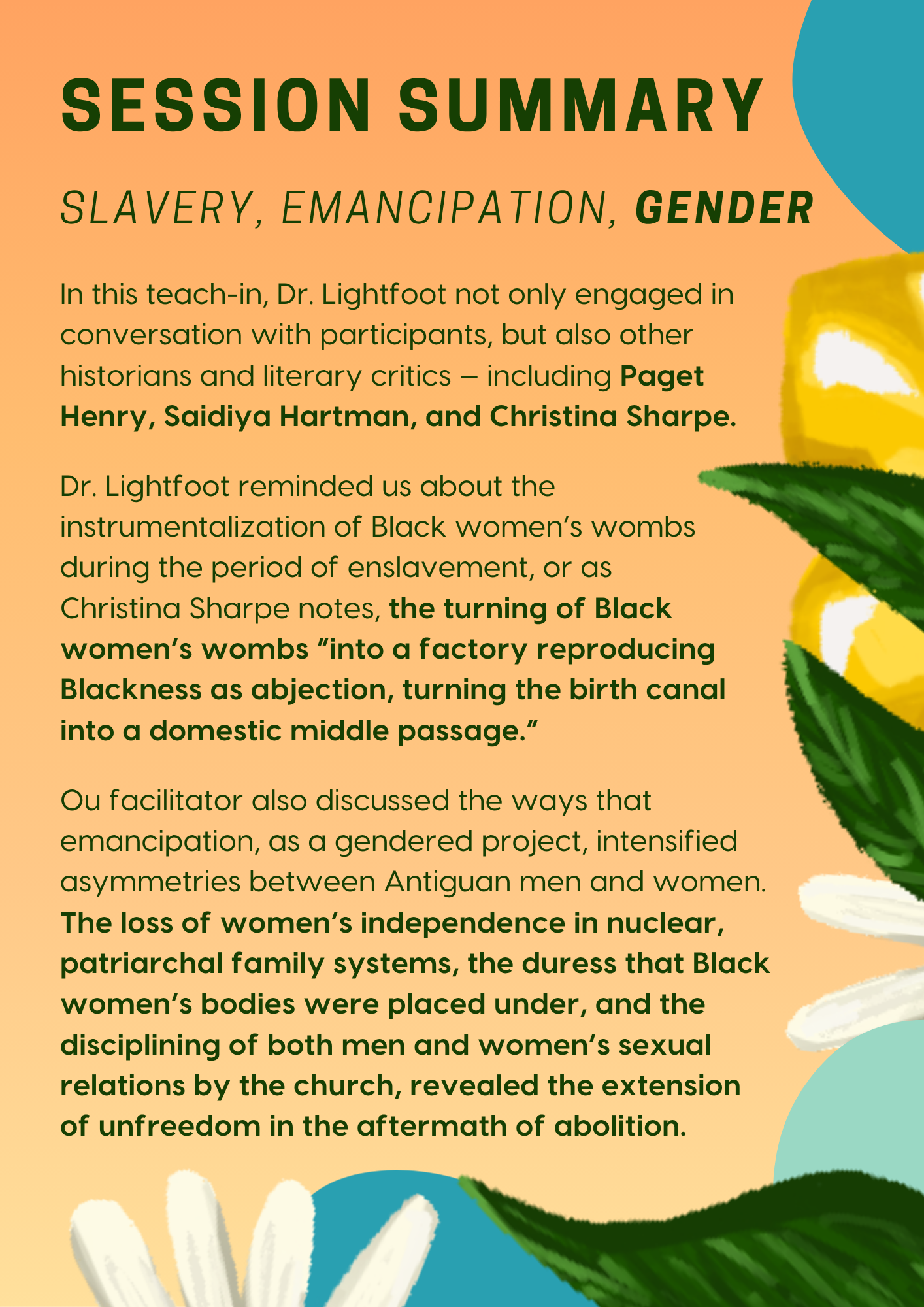
Post-Emancipation Scenes of Gender Subjection
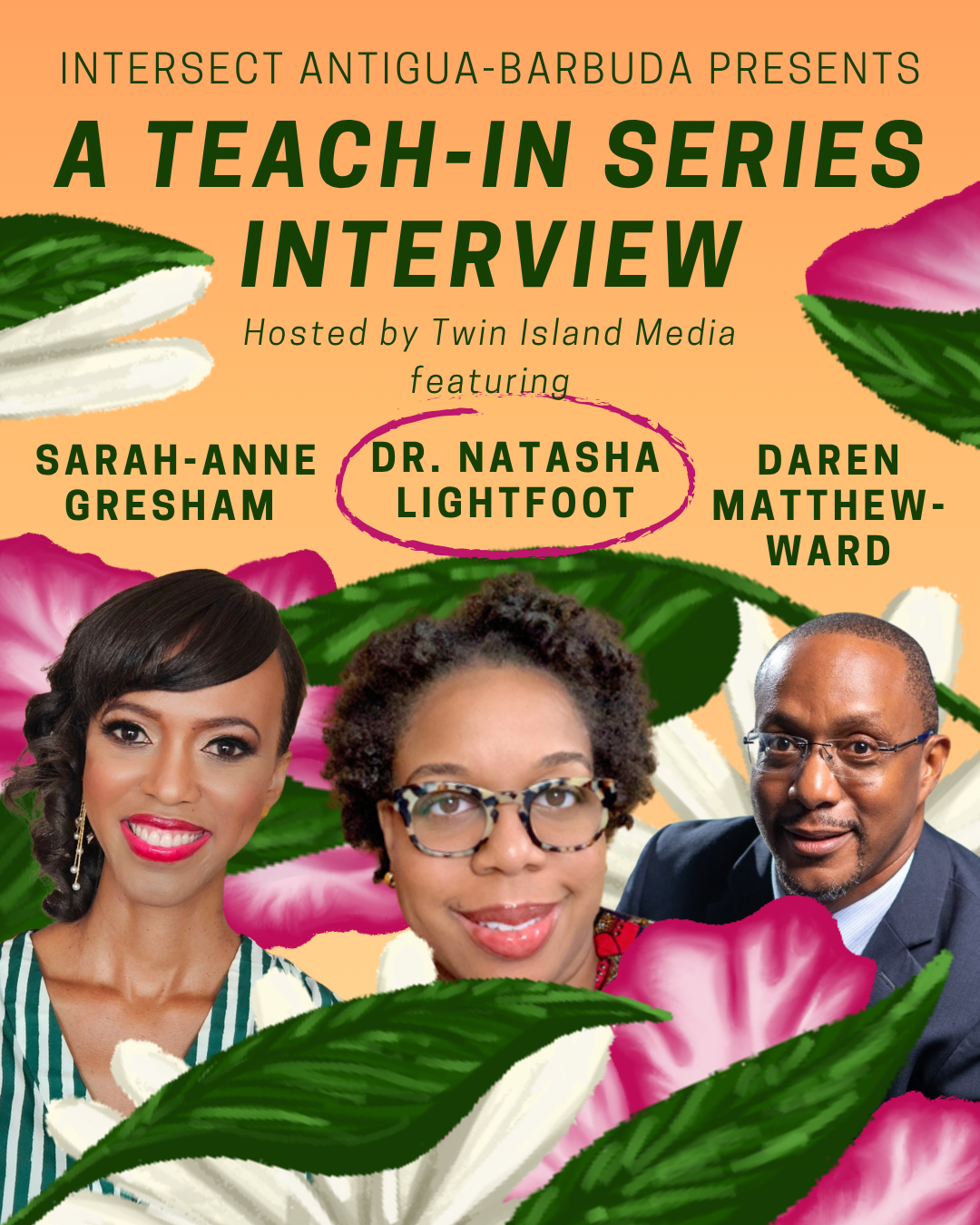
Twin Island Media Interview
with Dr. Natasha Lightfoot, Sarah-Anne Gresham, and Daren Matthew-Ward
Access our playlist of session clips from this teach-in.
Participant Reflections
“[I learned] how connected the past and present is—how we see the rubric of Antiguan and Barbudan society today in its patterns and organisation of the past and due to the function of the church + state + plantocracy. Additionally, I find that Antiguans still lack access to this information; Antiguans and Barbadians who live in Antigua and Barbuda—I am missing their input (I moved away 6 years ago, but hoping to return).”
— Nicole, Antigua and Barbuda
“Troubling Freedom shares many throughlines with Black Queer scholarship in my opinion; particularly in reading sexuality into her study of emancipation and freedom and reading sexuality on the timescale which she does. Focusing on the everyday. This chapter, [“Sinful Conexions”], really does offer interesting insight into the possibilities and practices of solidarity, from emancipation to today and back.”
— Jacqui, Jamaica
About Dr. Natasha Lightfoot
Natasha Lightfoot is an Associate Professor in the Department of History and Faculty Fellow in the Department of African American and African Diaspora Studies at Columbia University.
She received a BA in History from Yale University and an MA and PhD in History from New York University. Her research and teaching interests include Atlantic slavery and emancipation, Black community formation and acts of resistance, and daily practices of freedom in the 19th century British colonial Caribbean.
She is the author of Troubling Freedom: Antigua and the Aftermath of British Emancipation (Duke University Press, 2015), which focuses on Black working people’s struggles and everyday forms of liberation in Antigua and Barbuda after slavery’s end. She has also been published in The New York Times, as well as a number of academic journals.
Her research has been supported by fellowships from multiple institutions including the Ford Foundation, the Schomburg Center for Research in Black Culture, and most recently from the American Council of Learned Societies.
She also initiated a digital archival preservation project at the Antigua & Barbuda National Archives through a grant from the British Library. She is currently writing a book titled Fugitive Cosmopolitans about enslaved people’s escapes from bondage, imperial subjecthood, and struggles for freedom between empires in the Caribbean.
